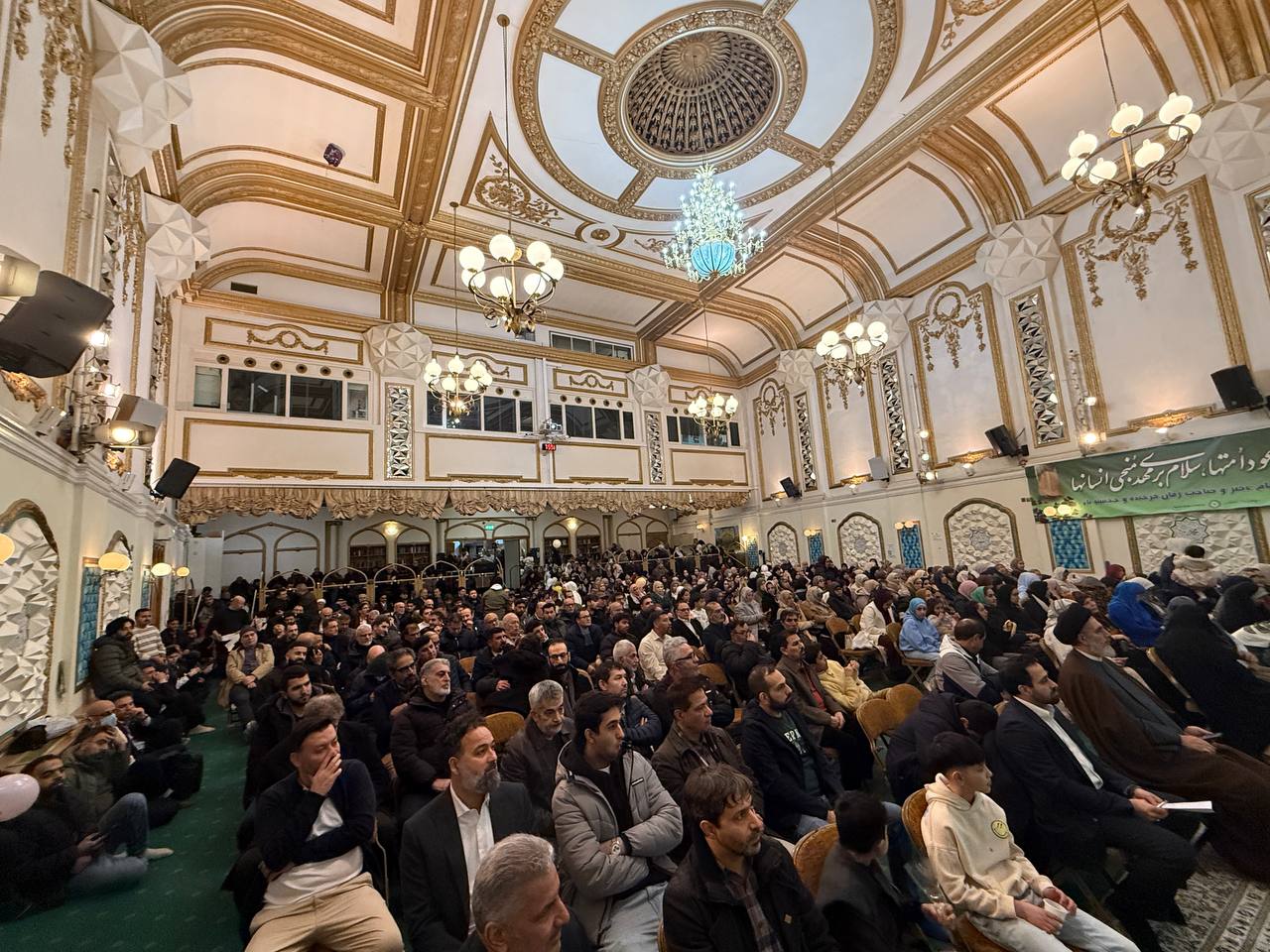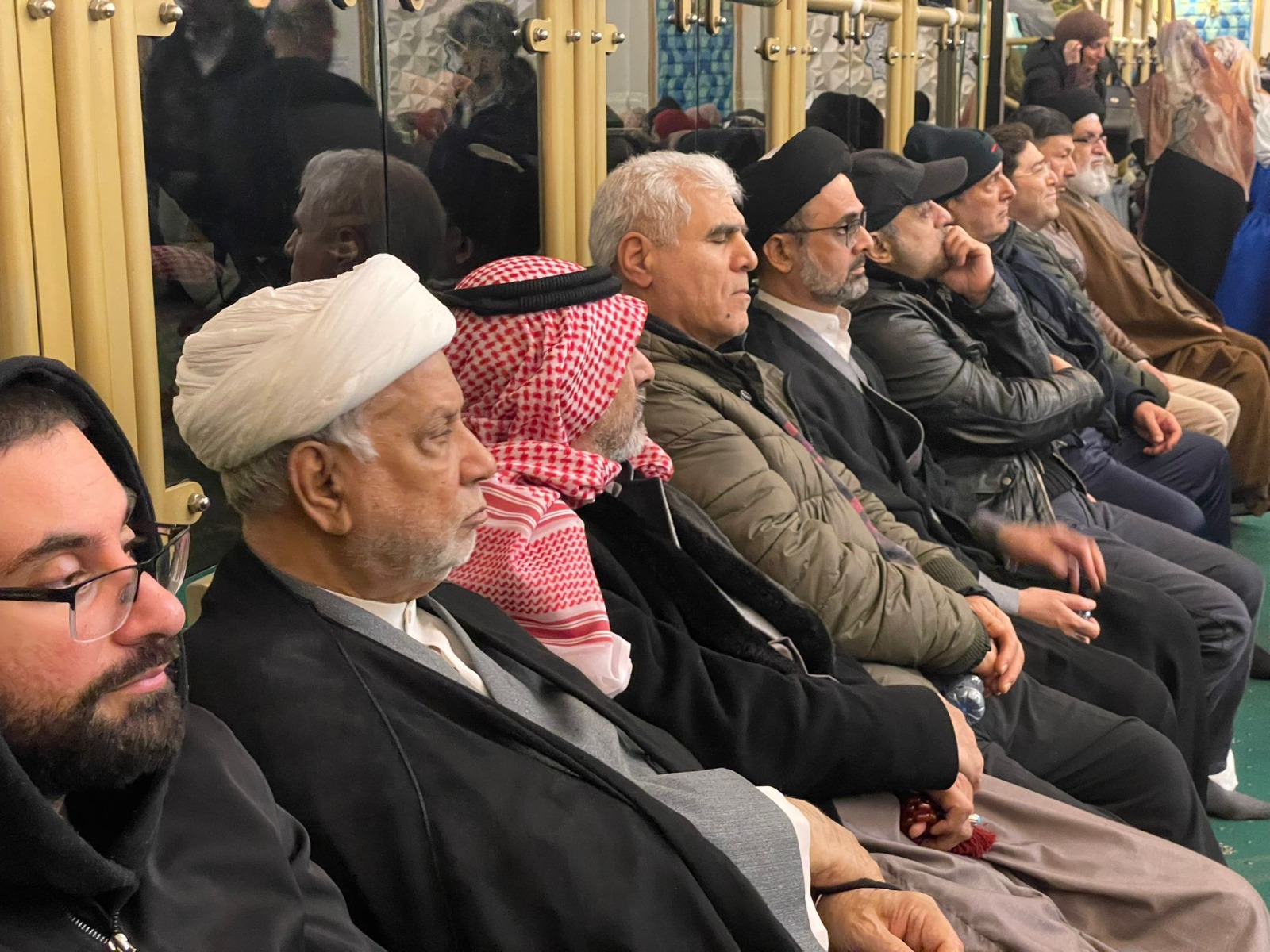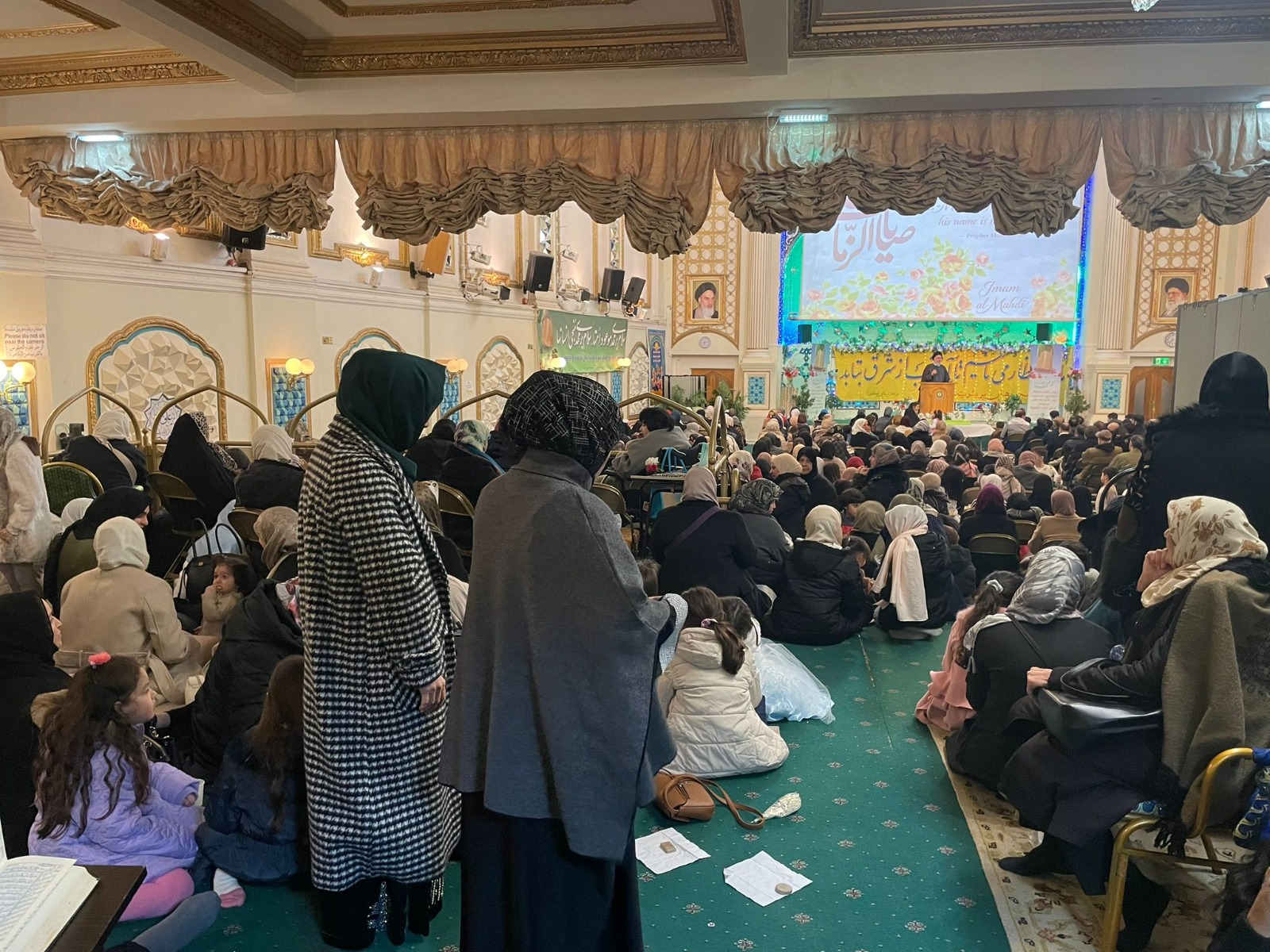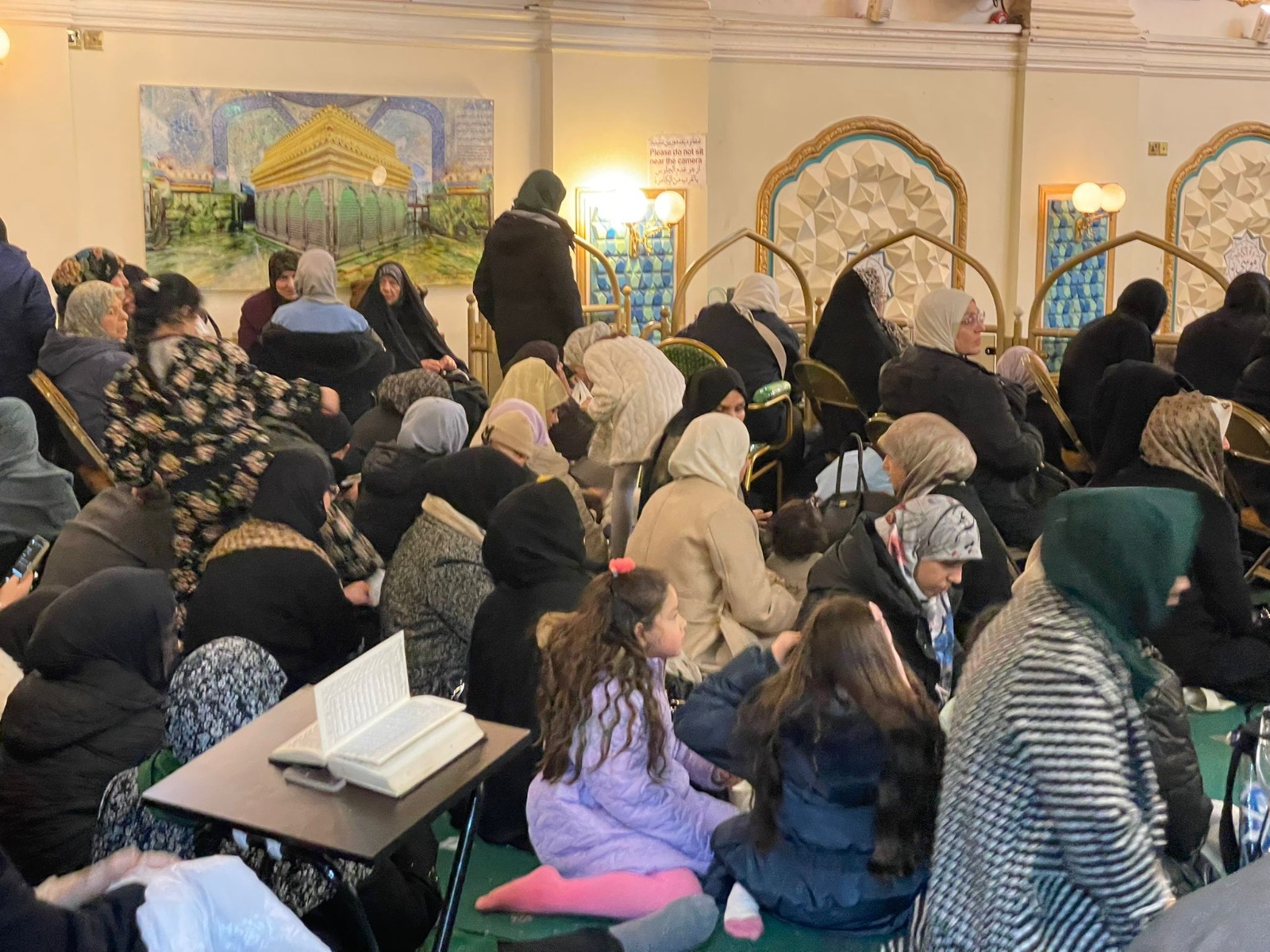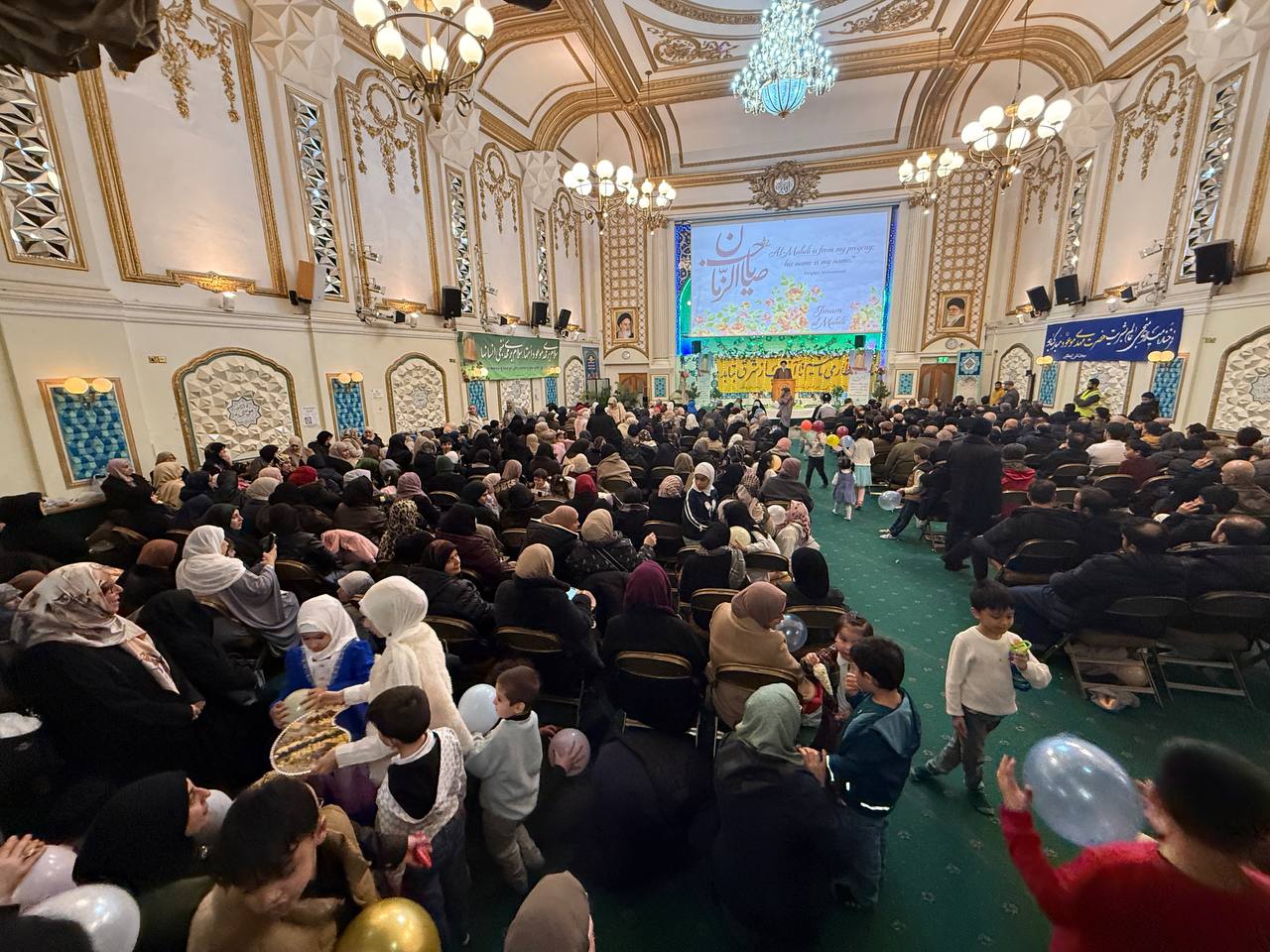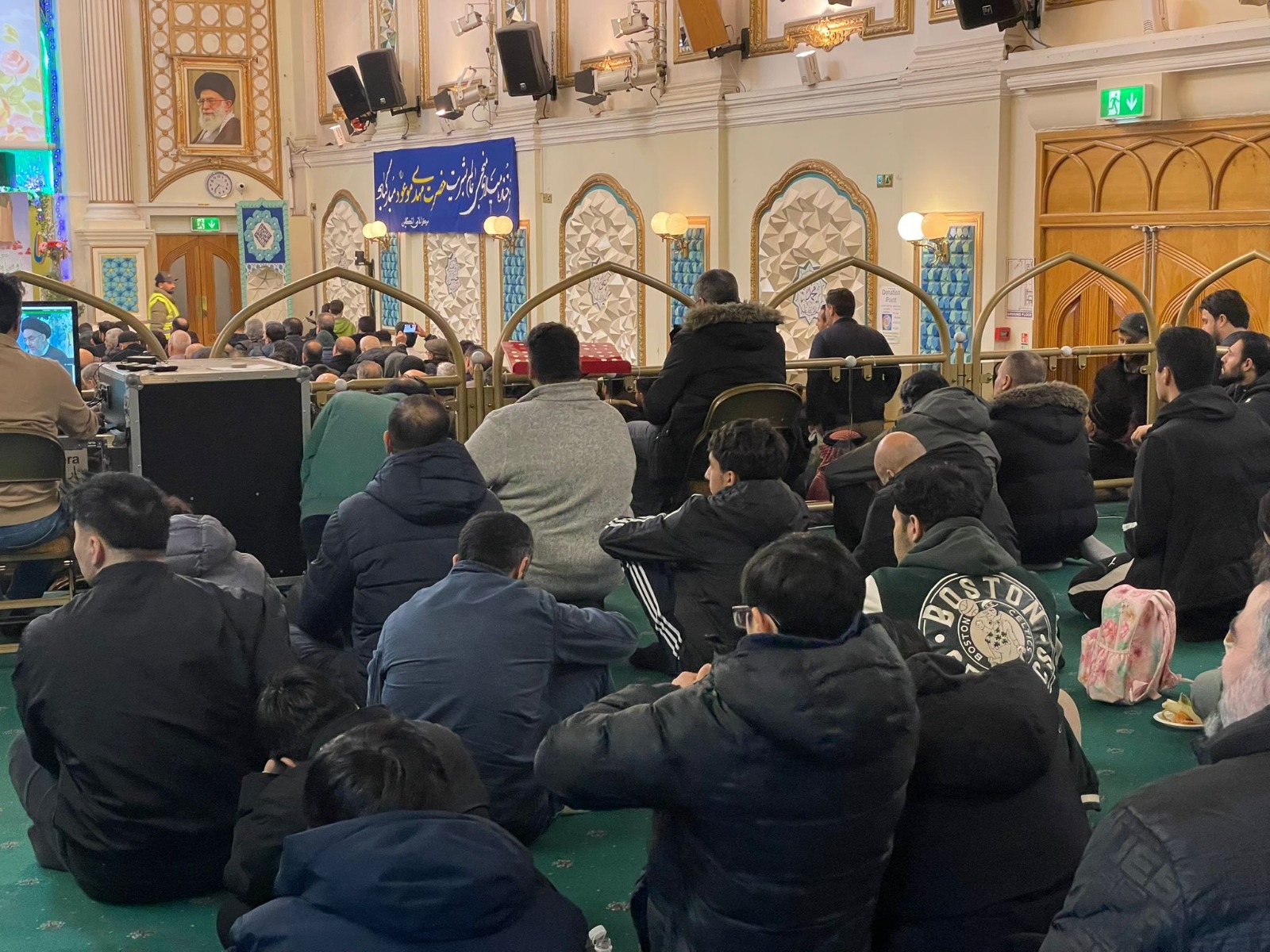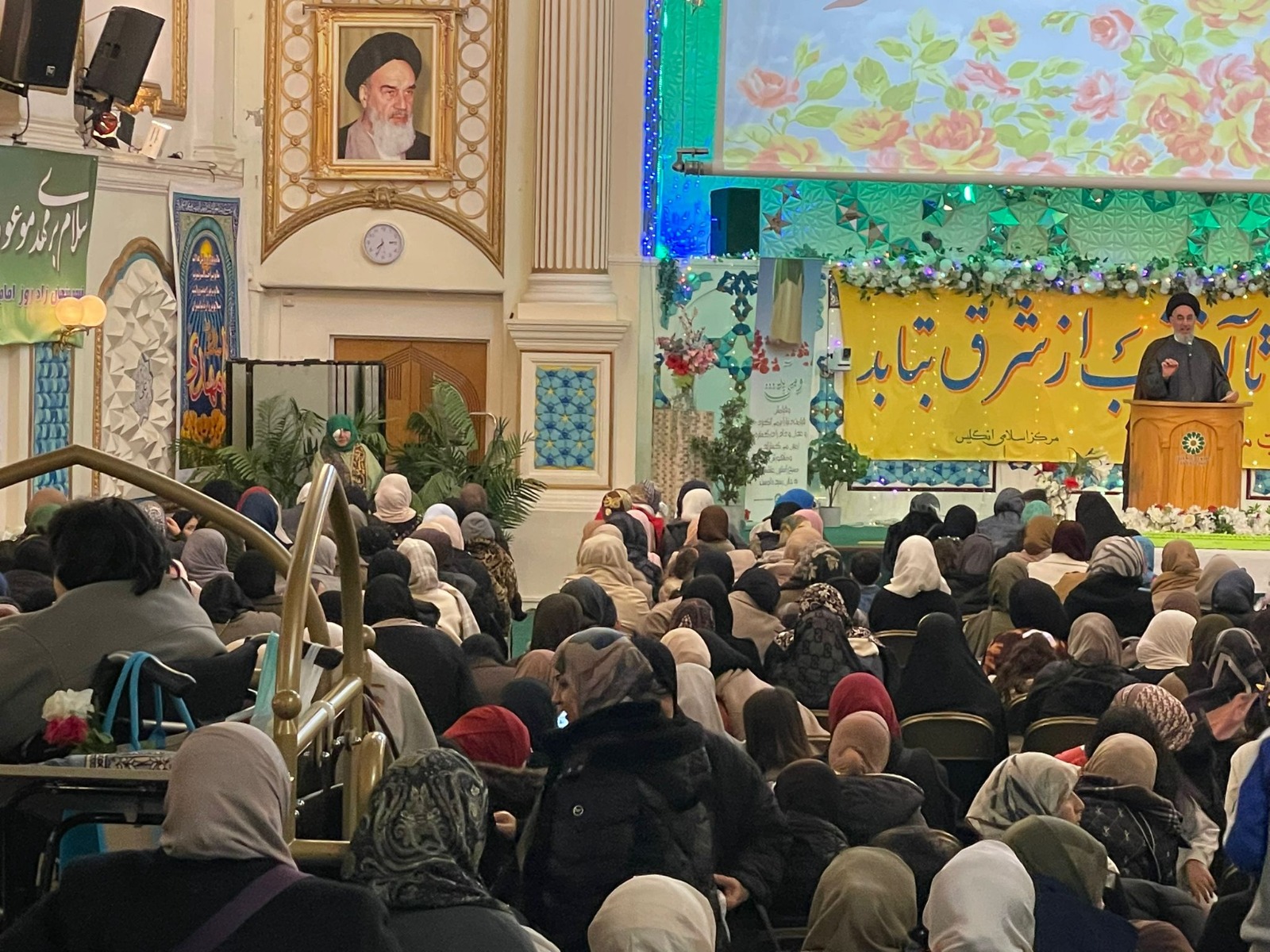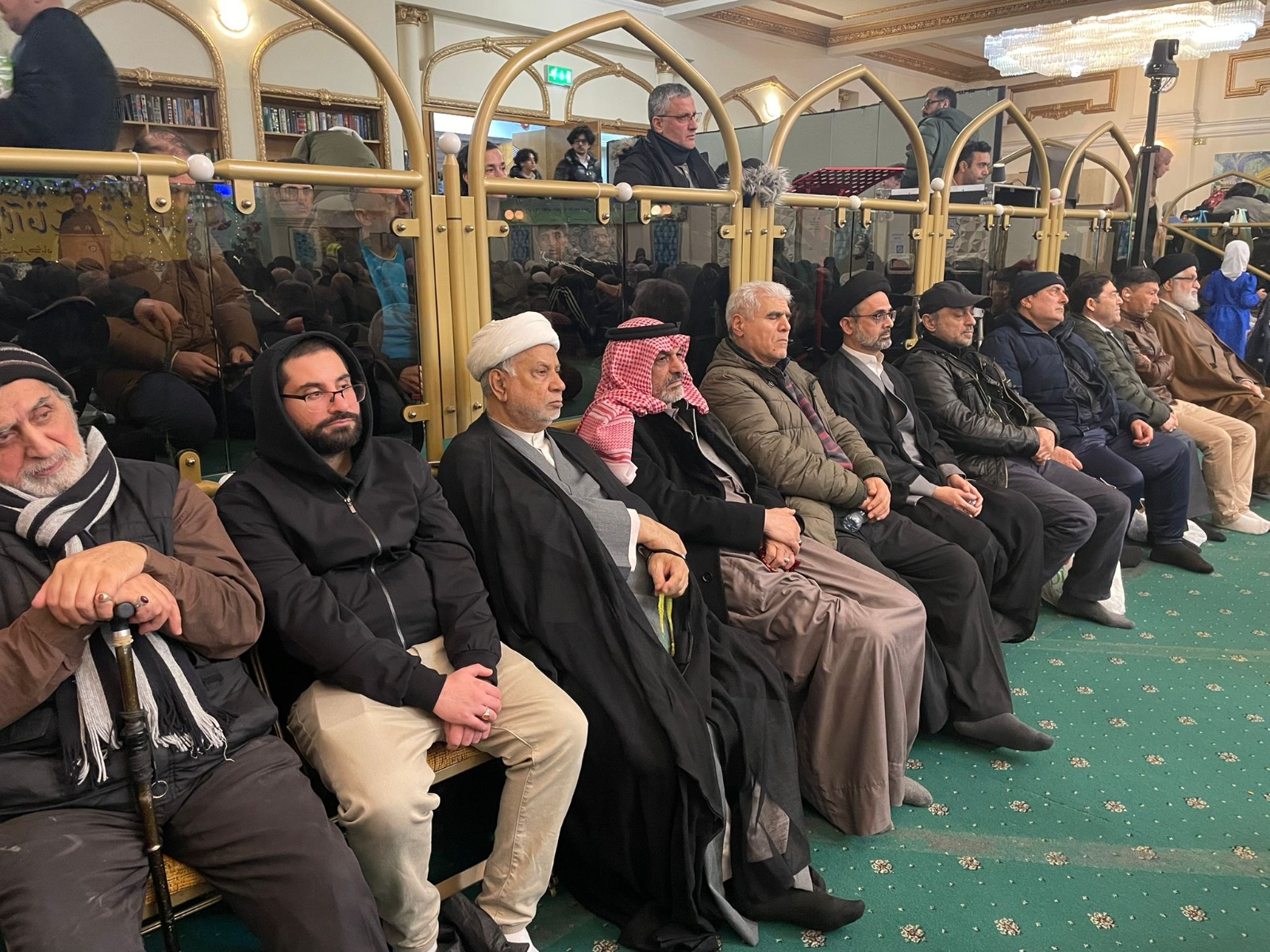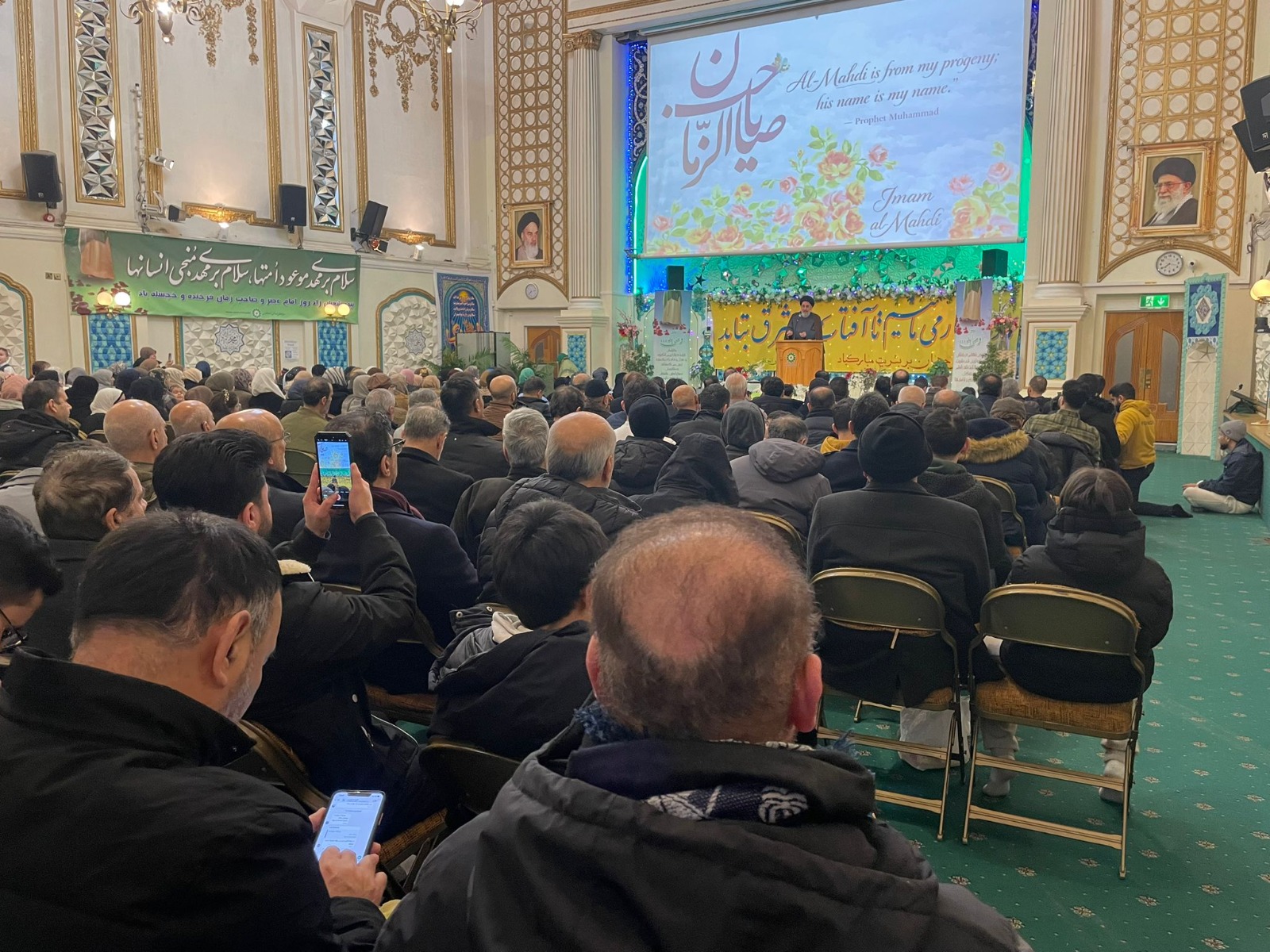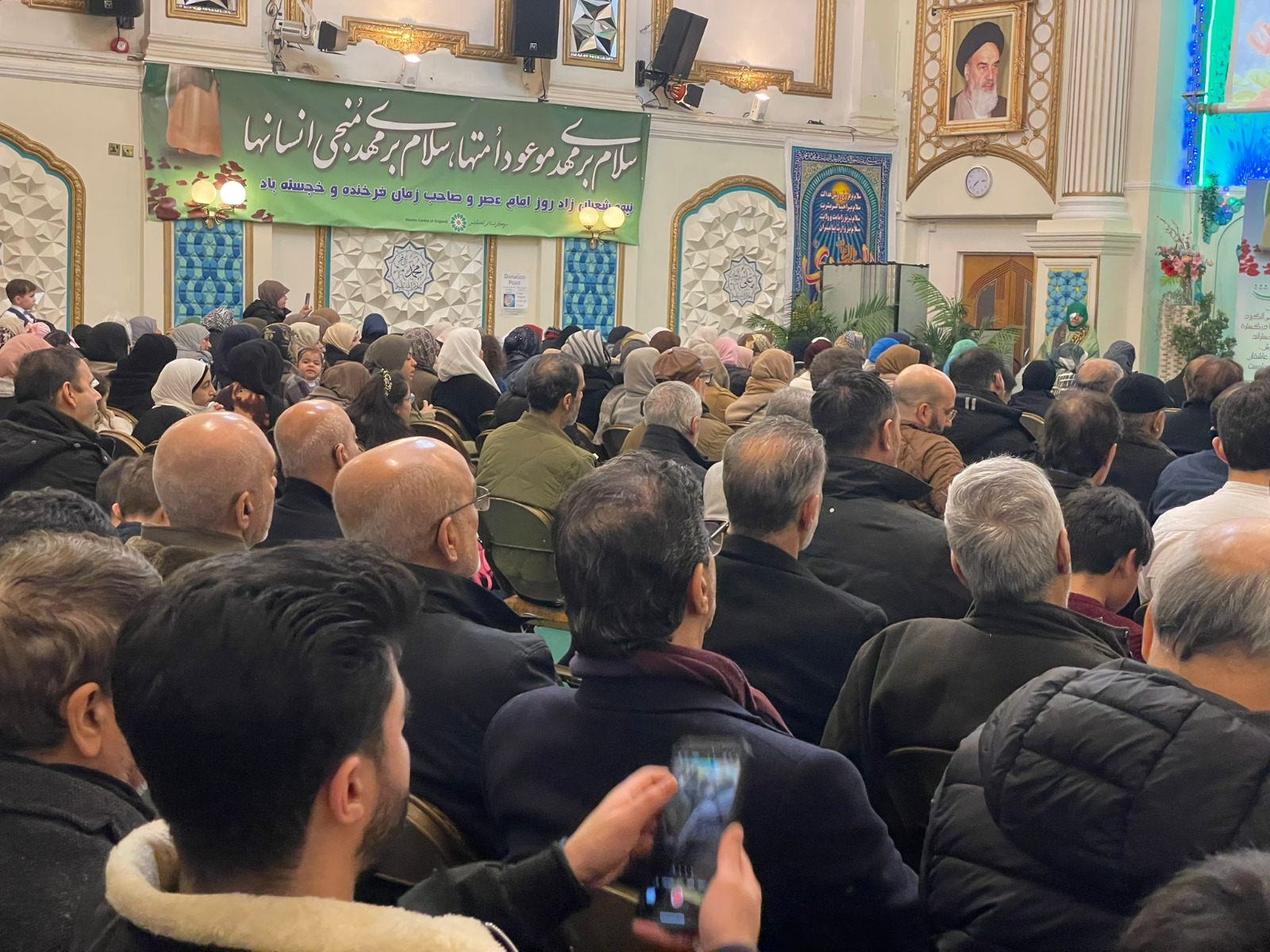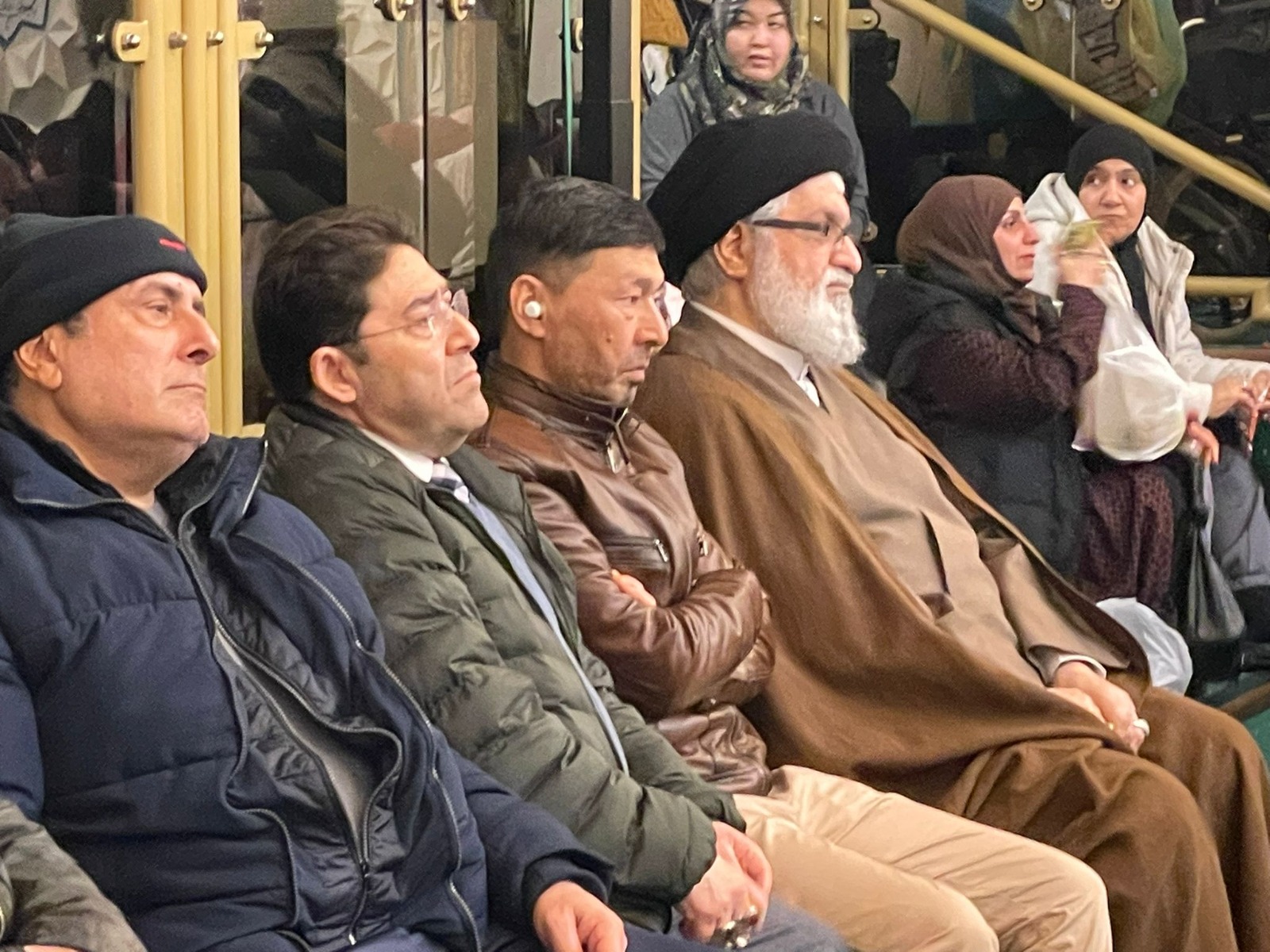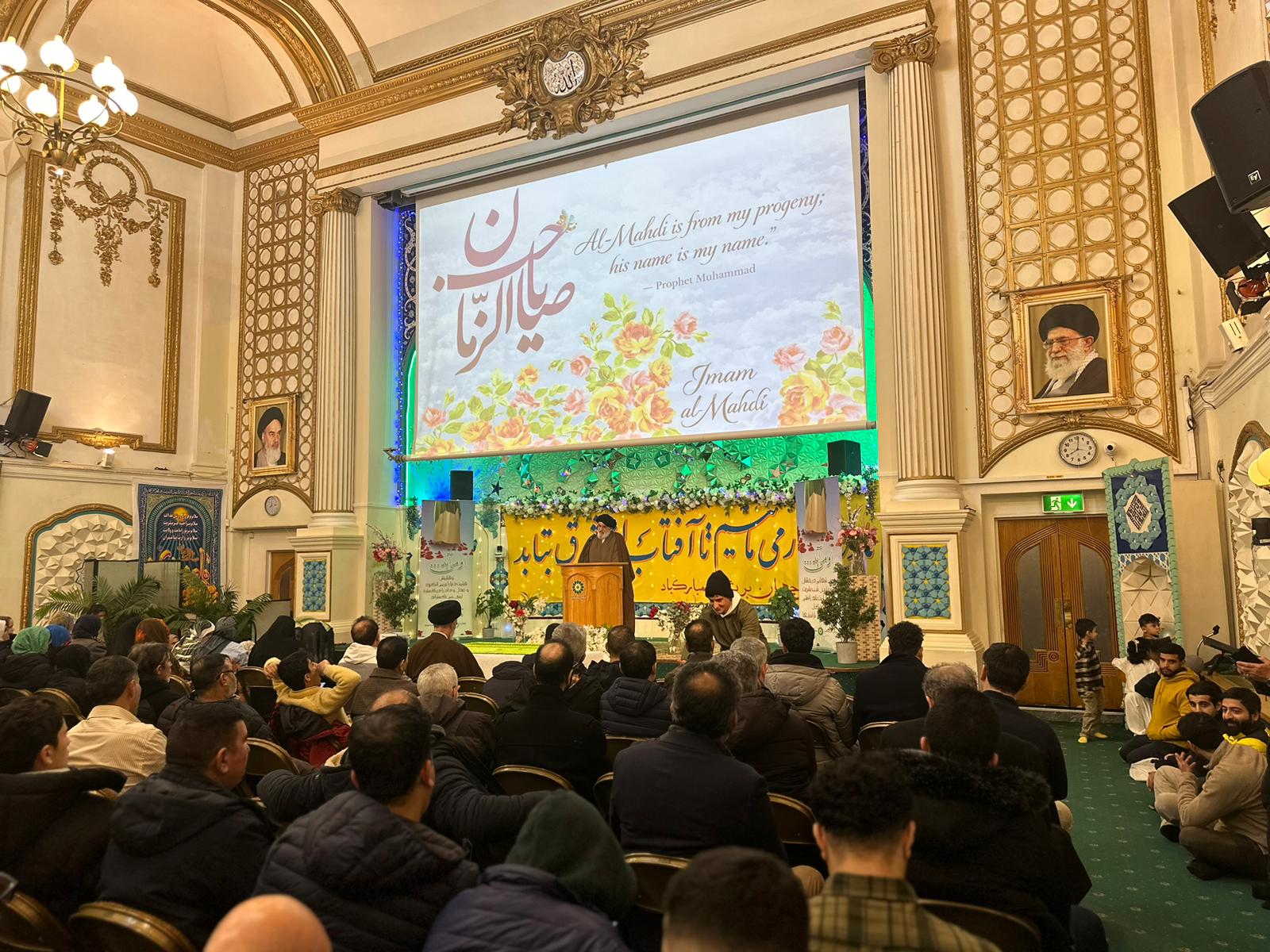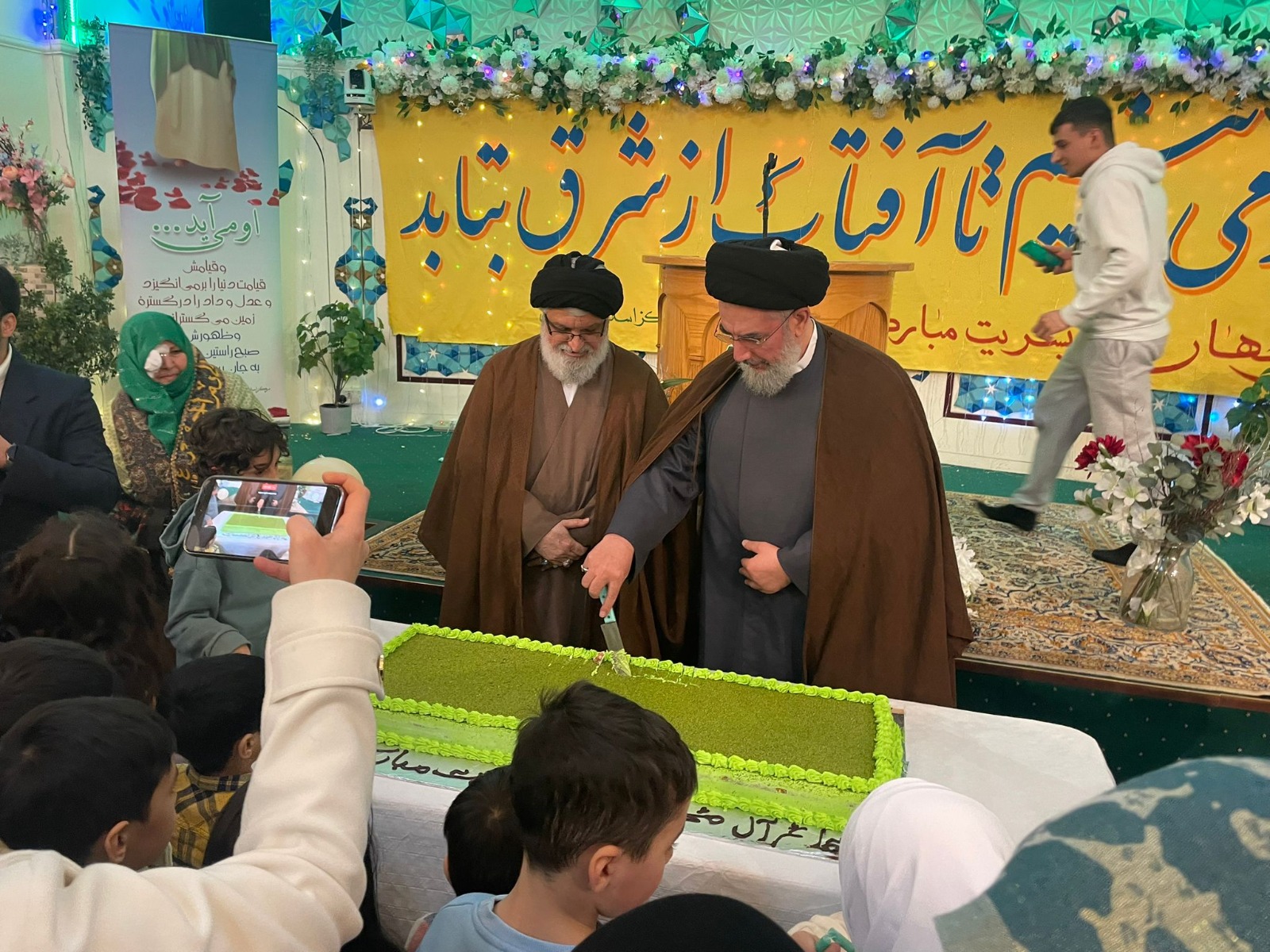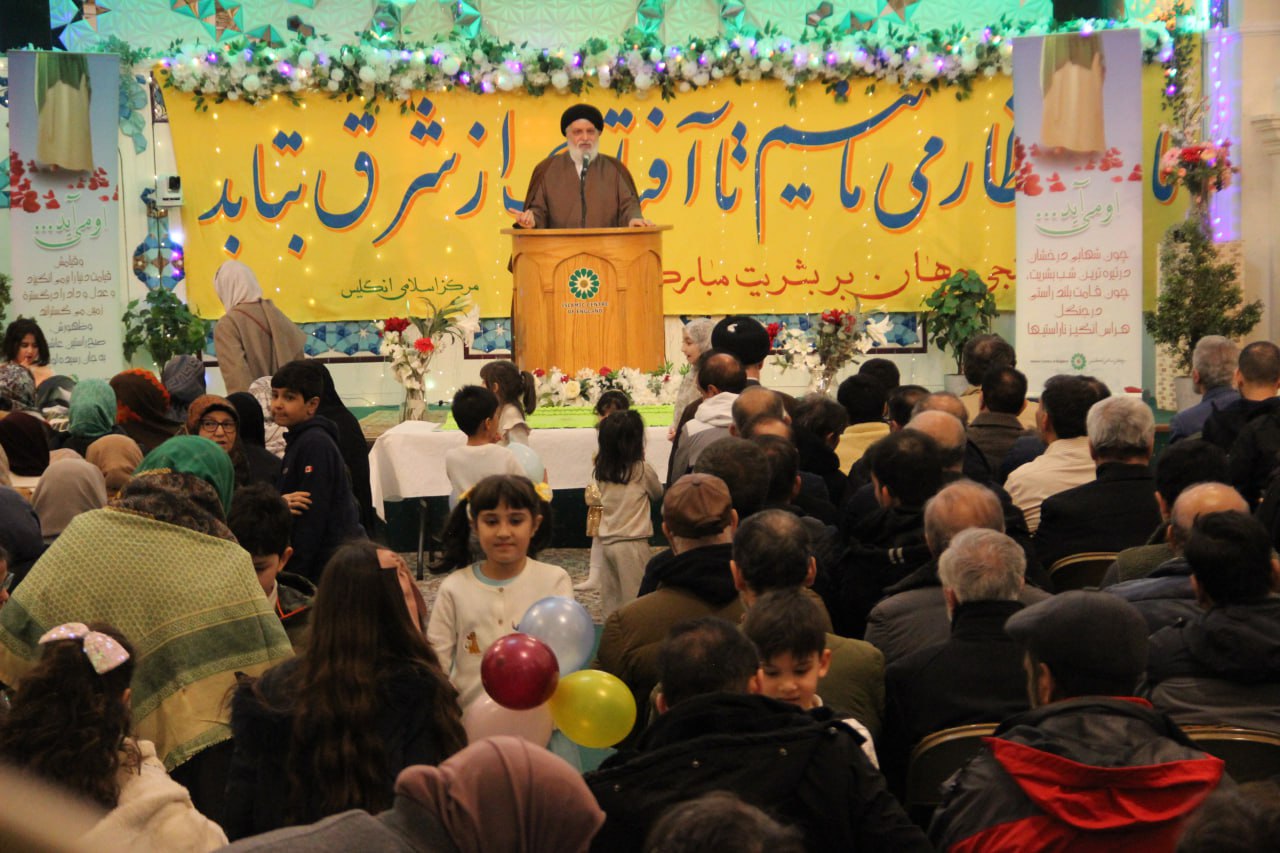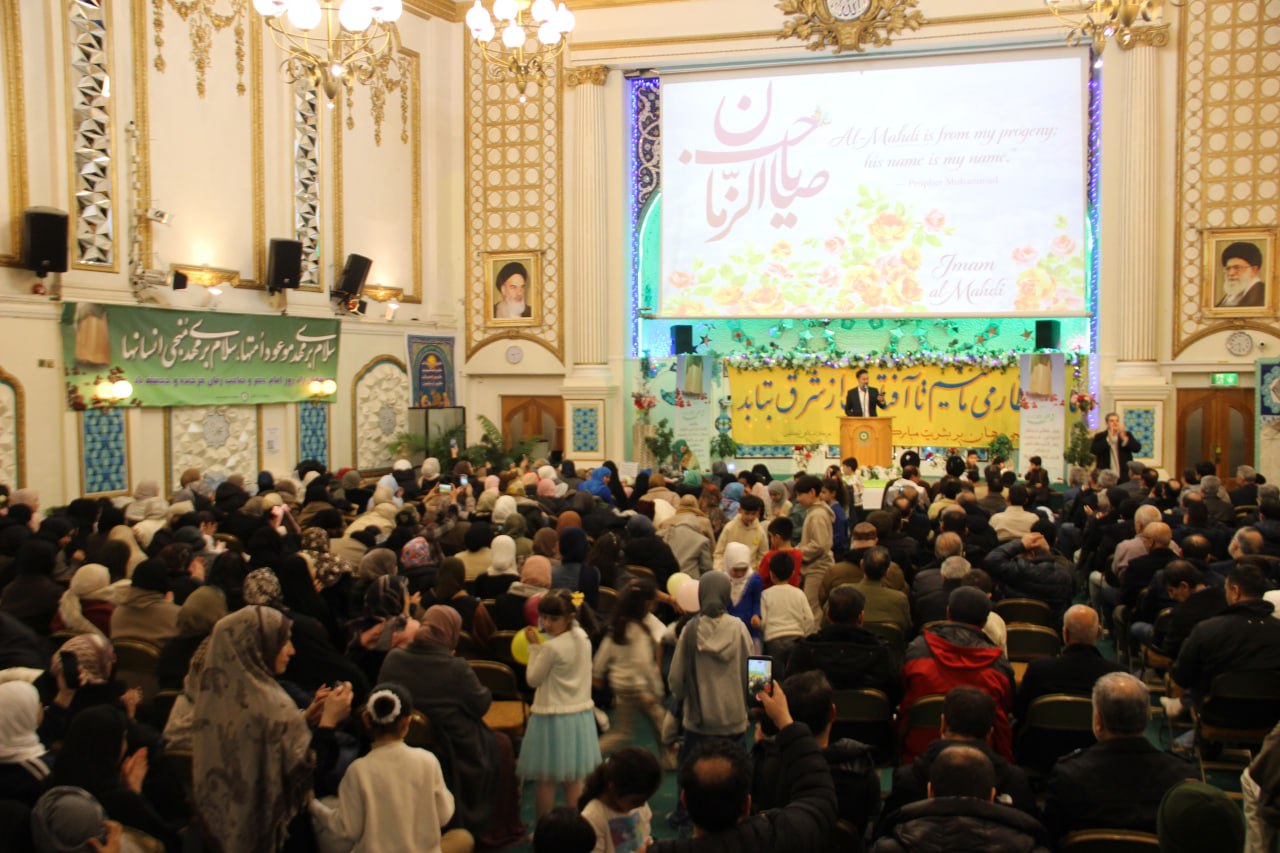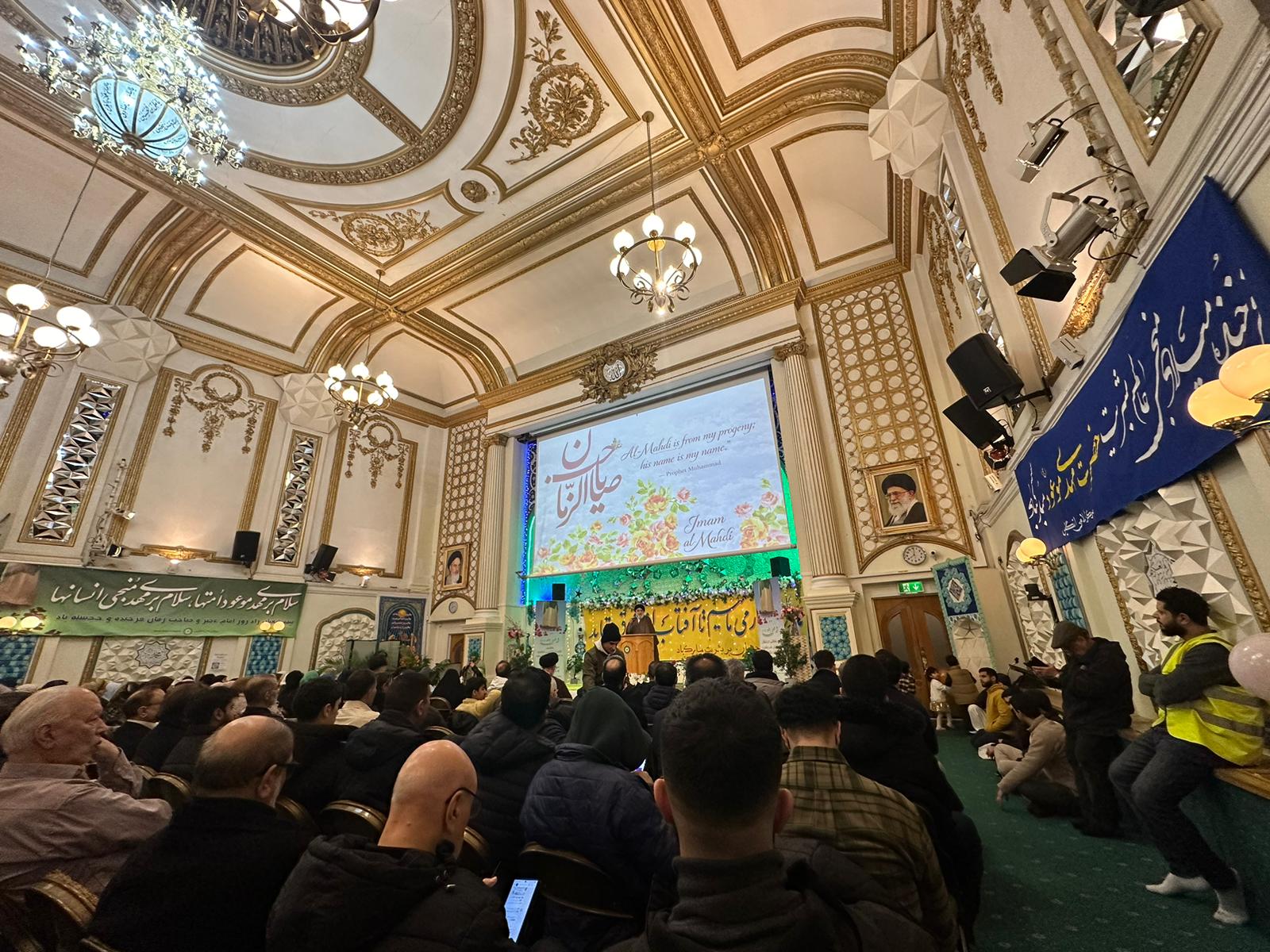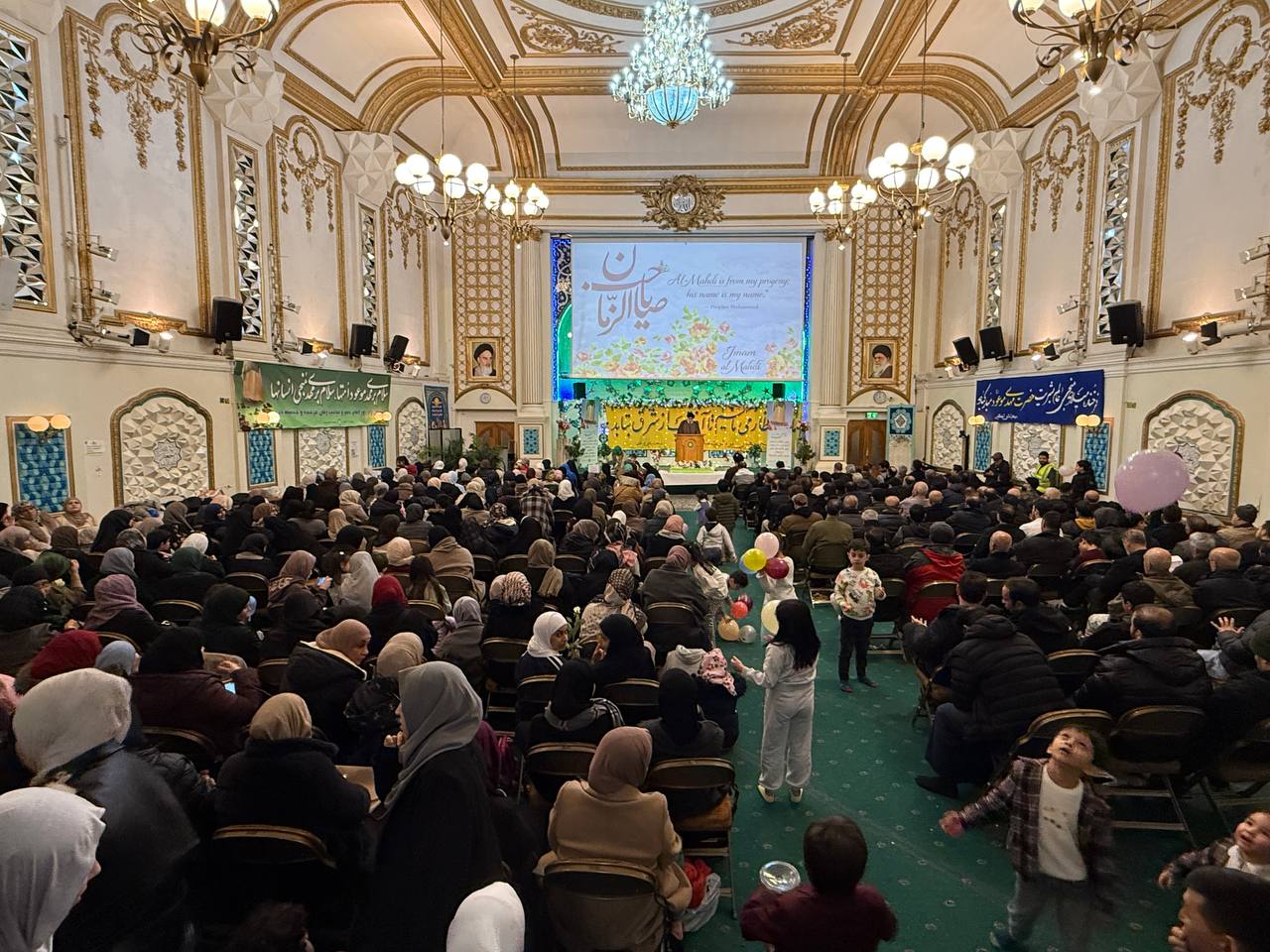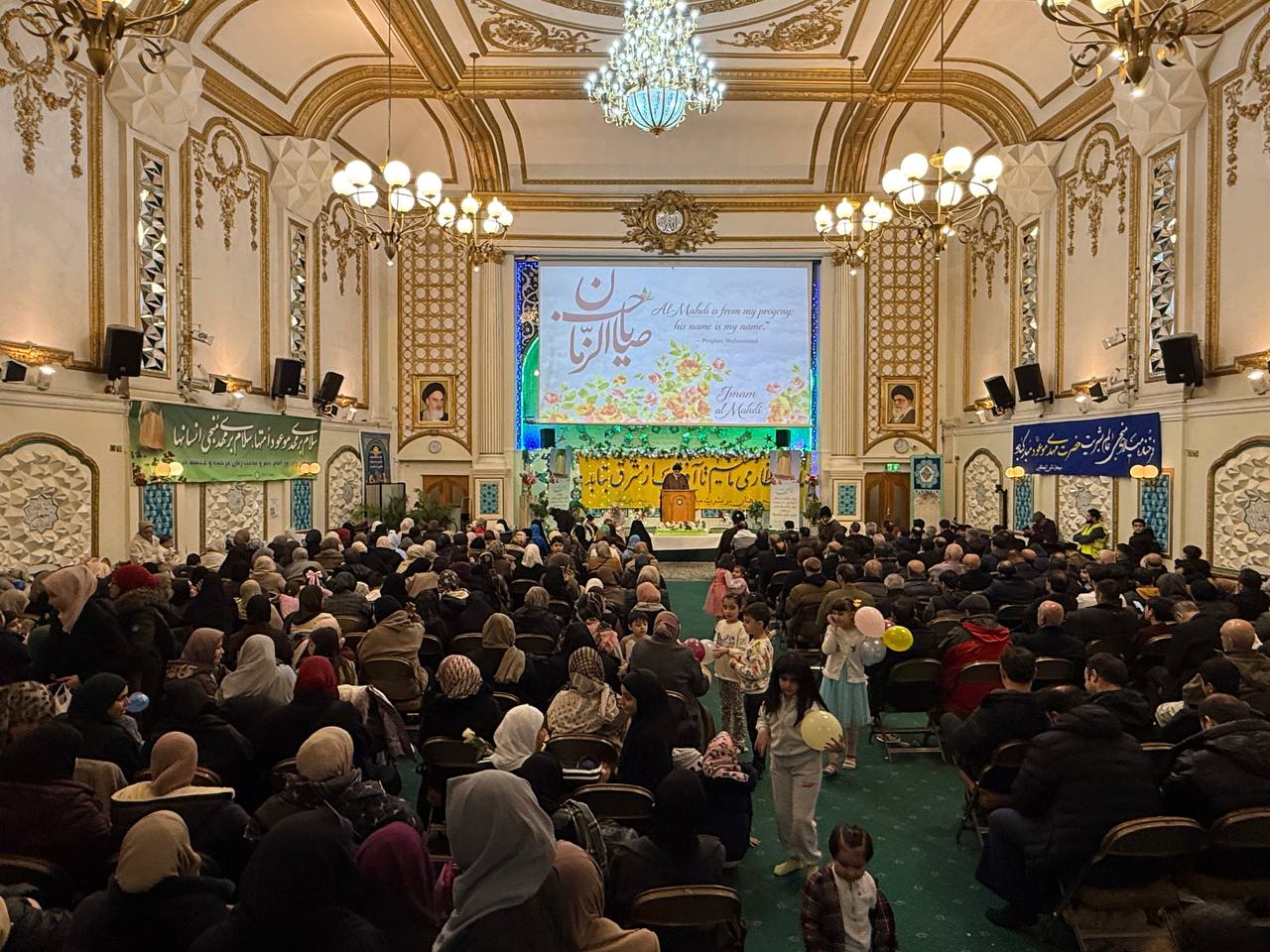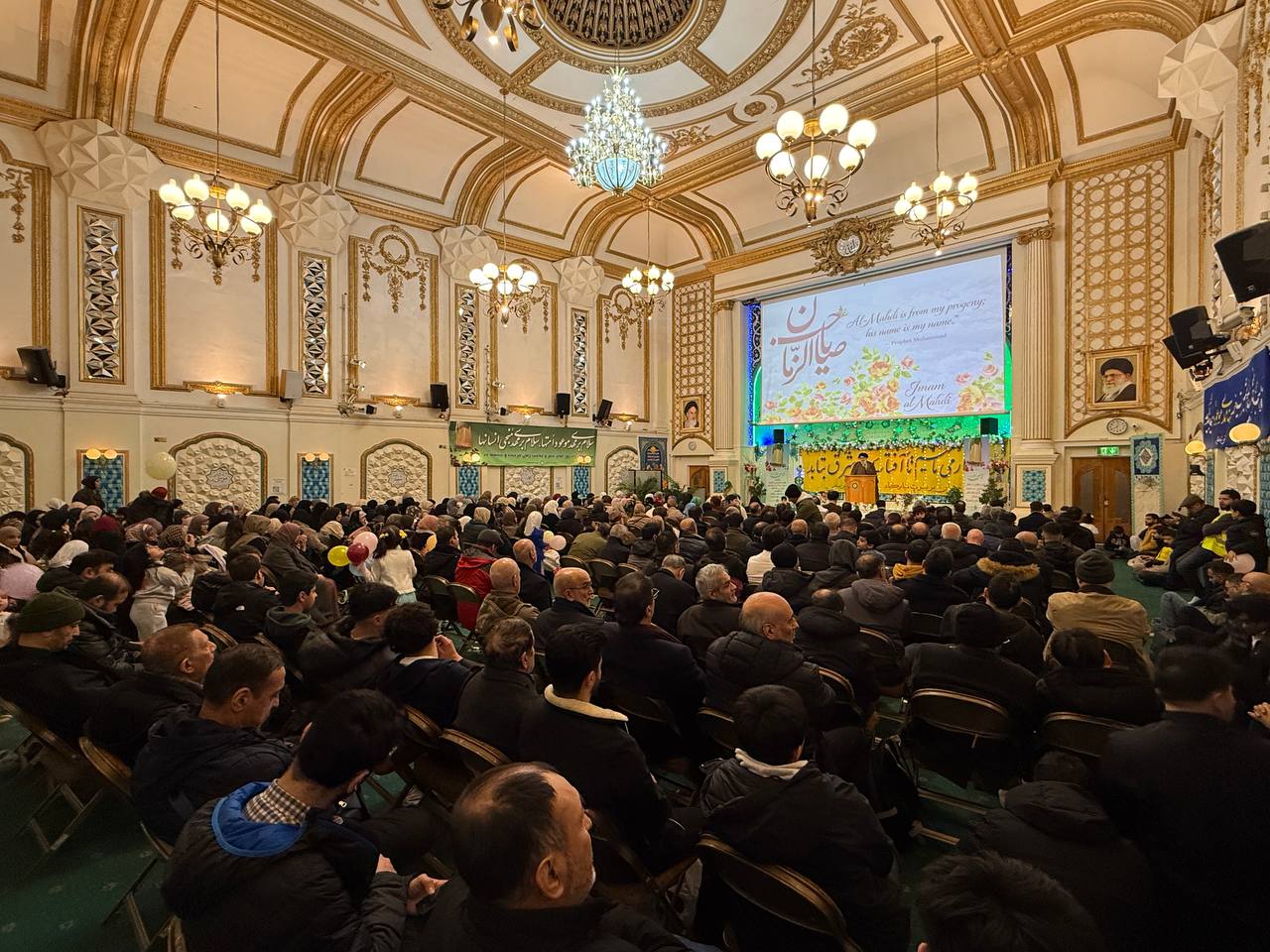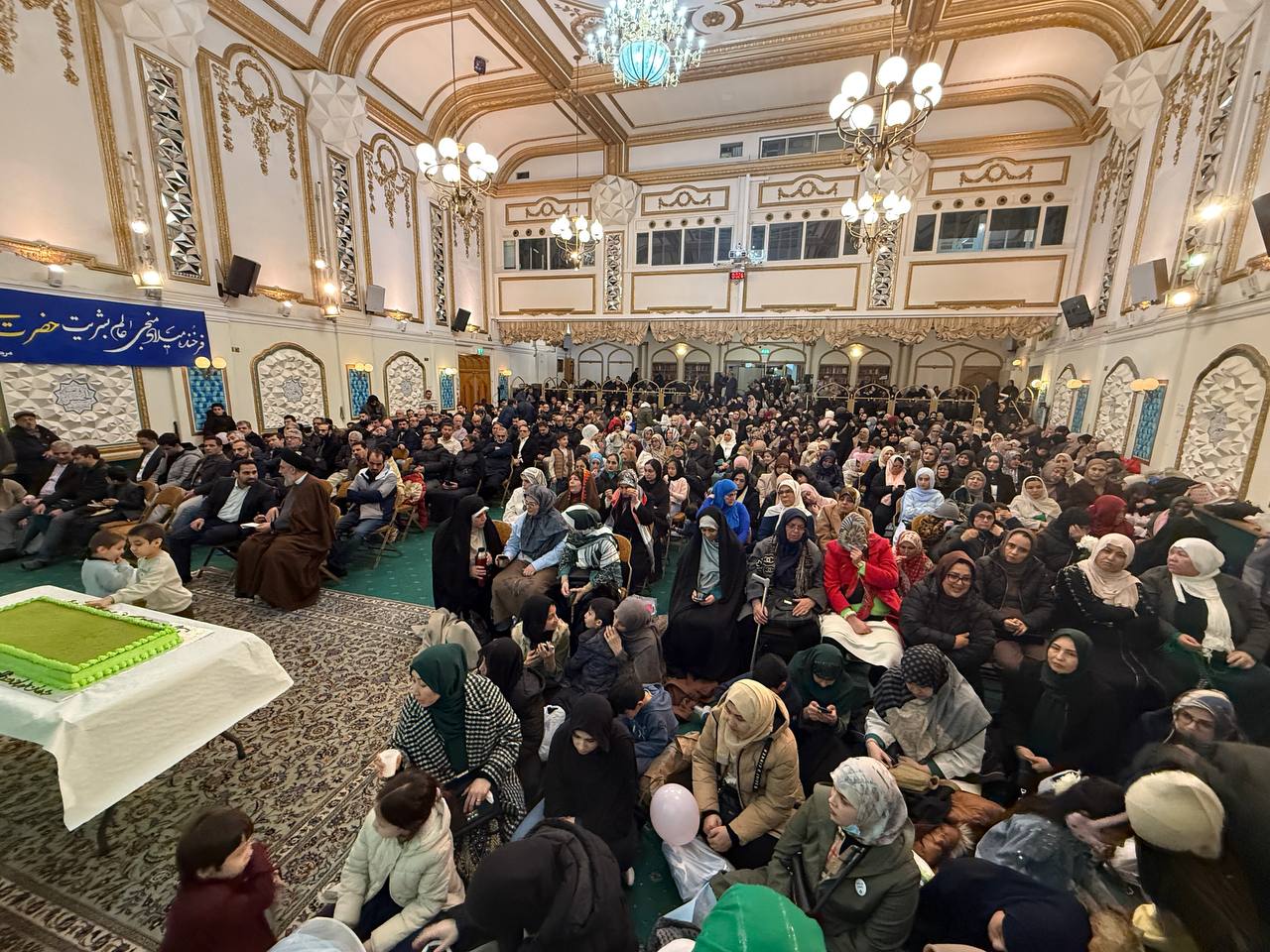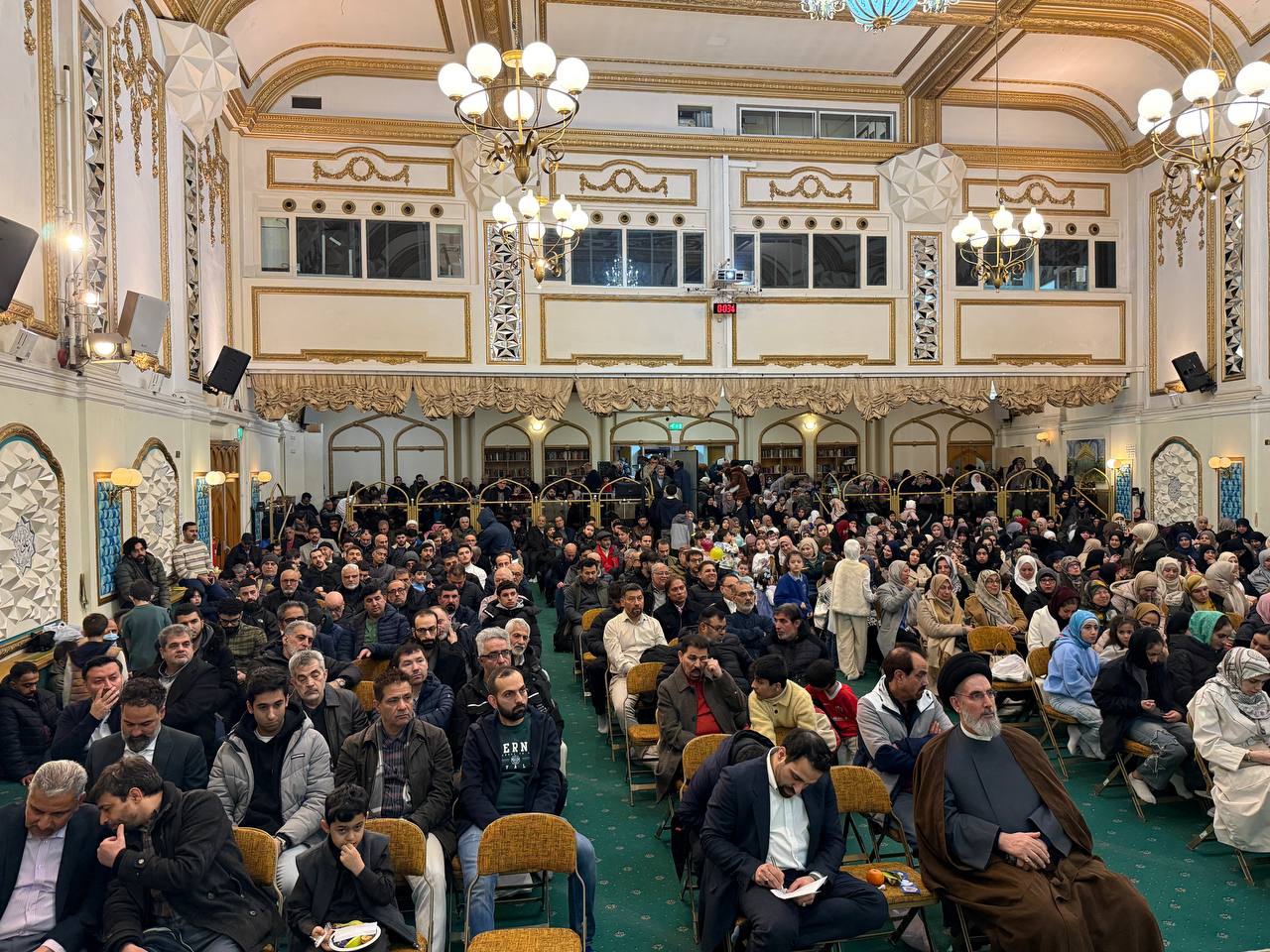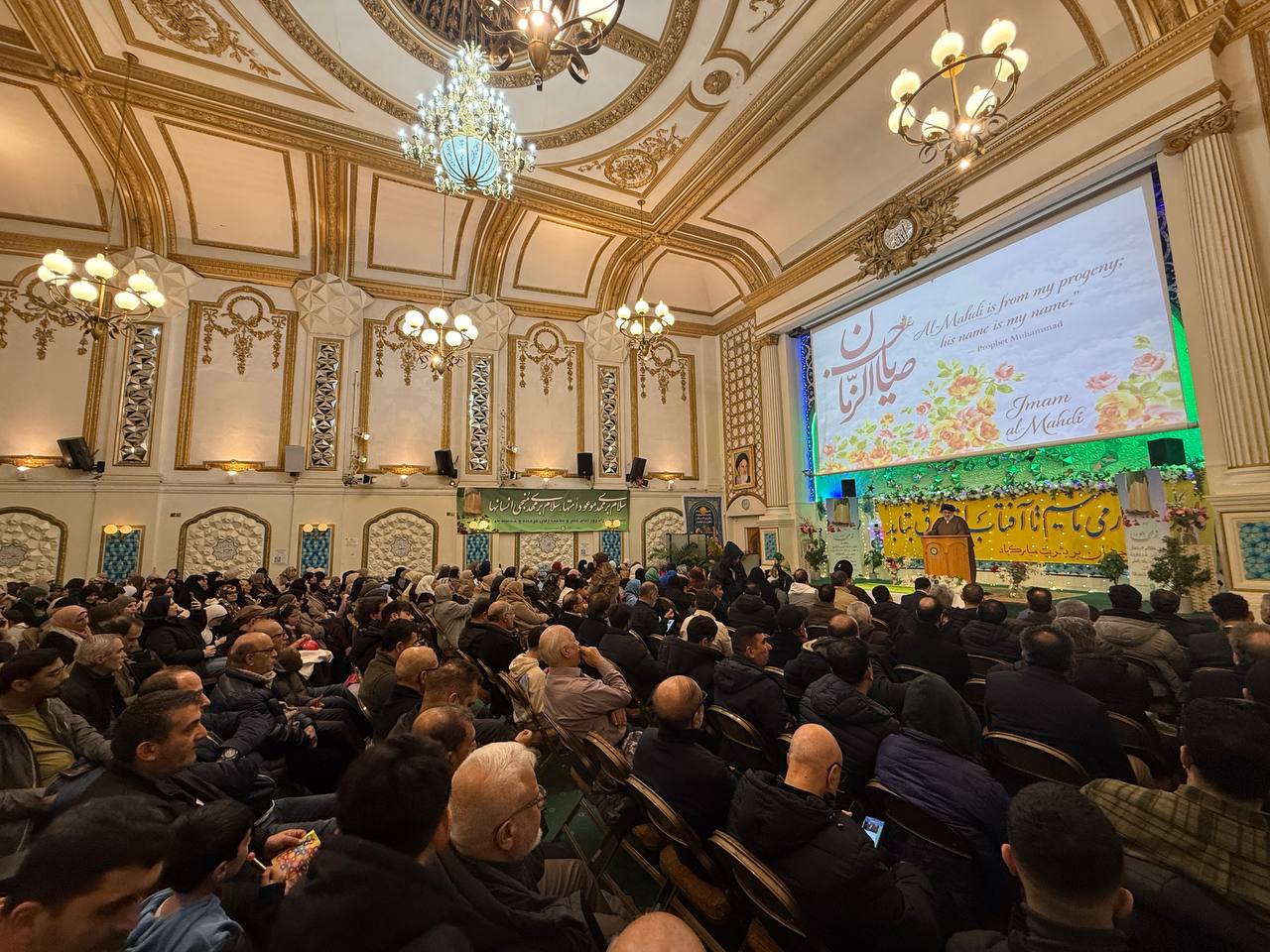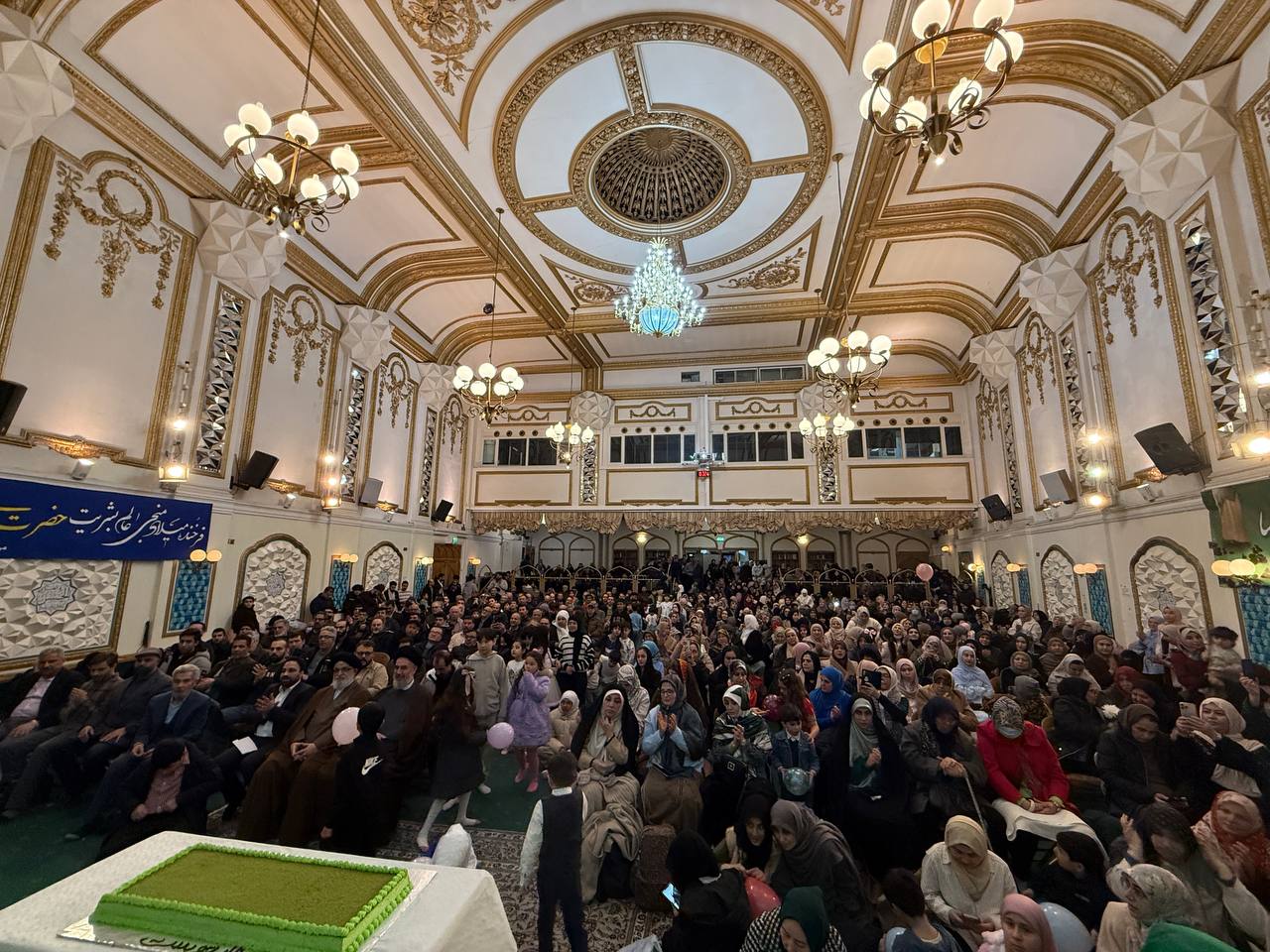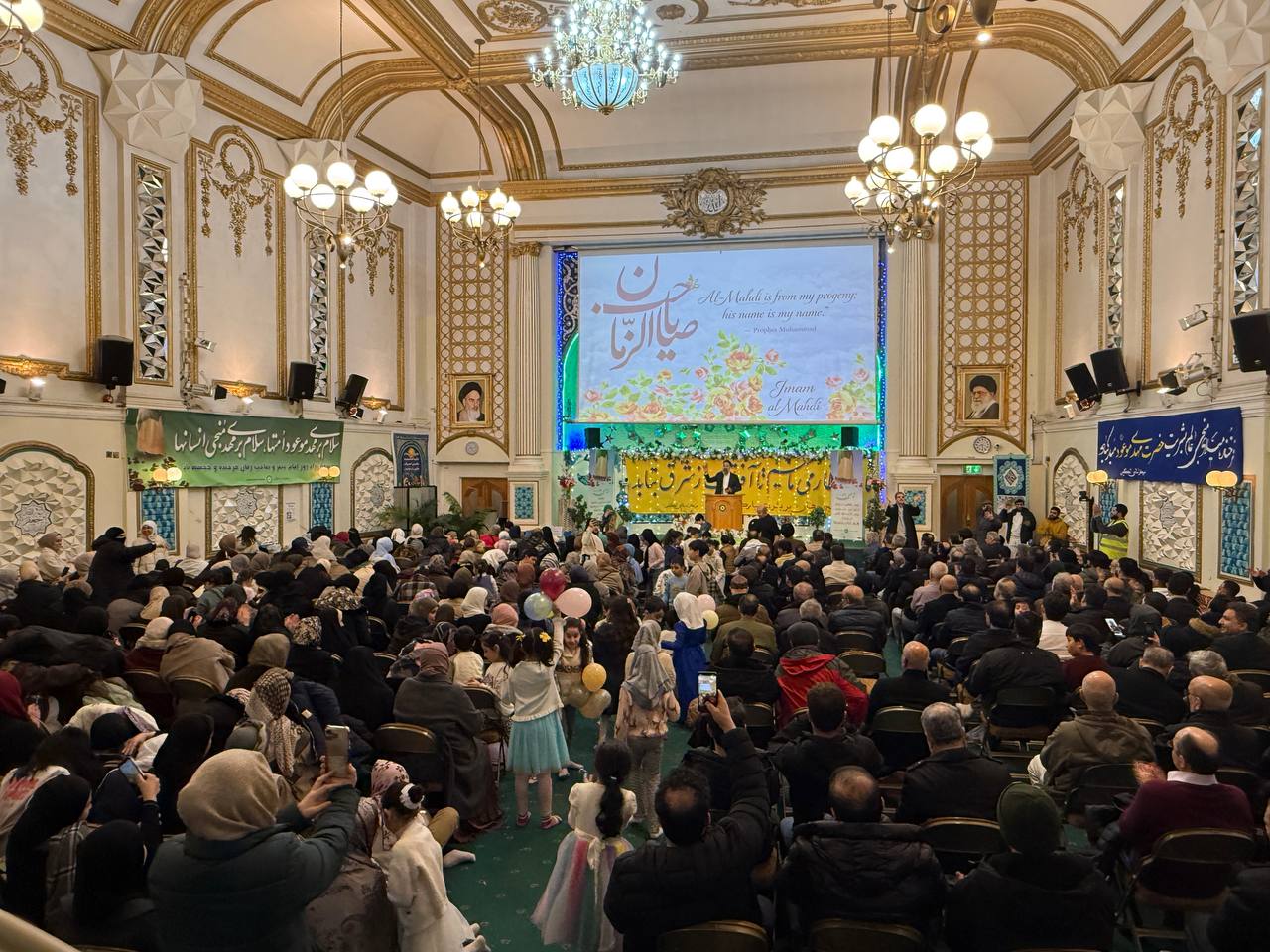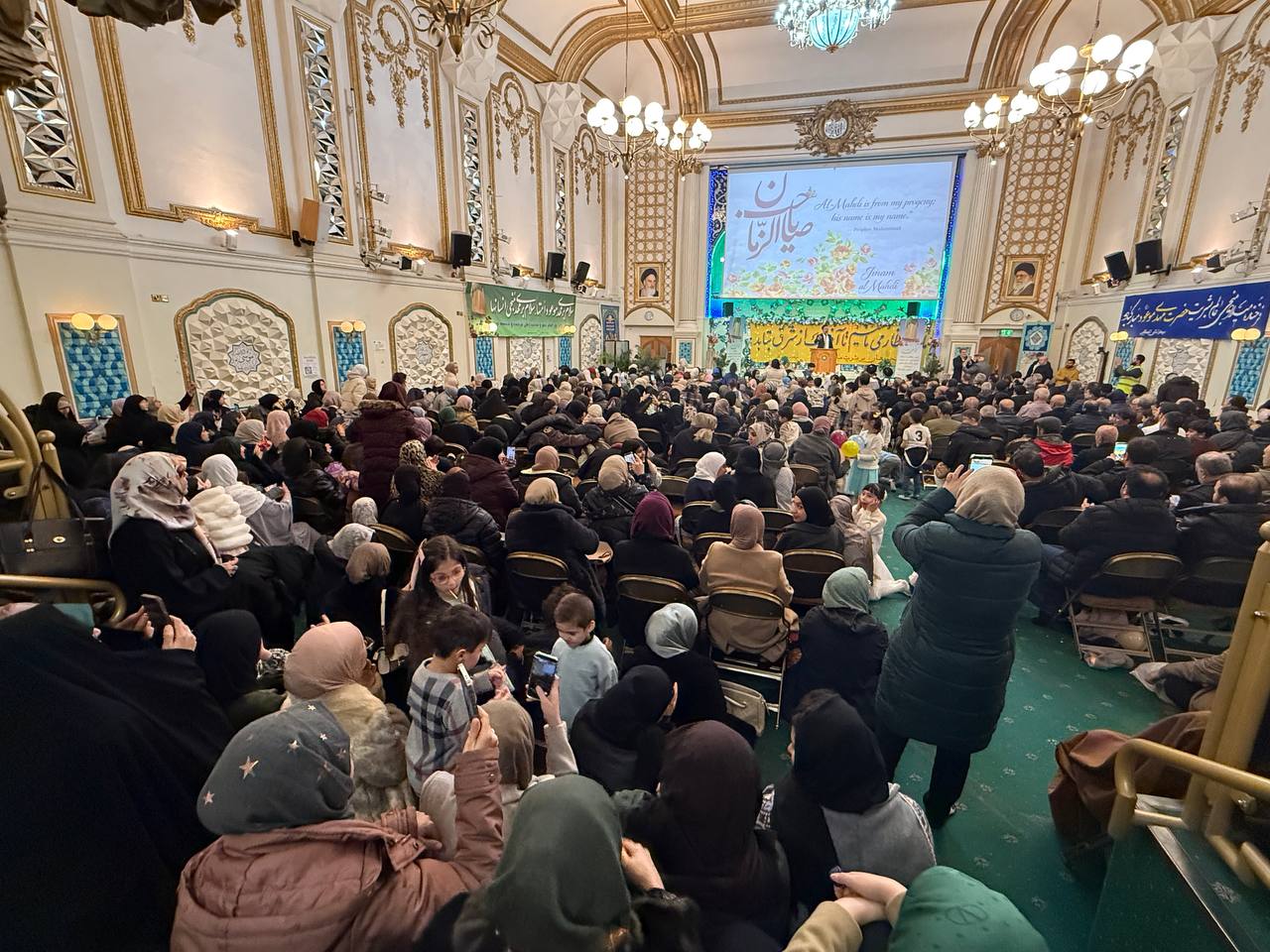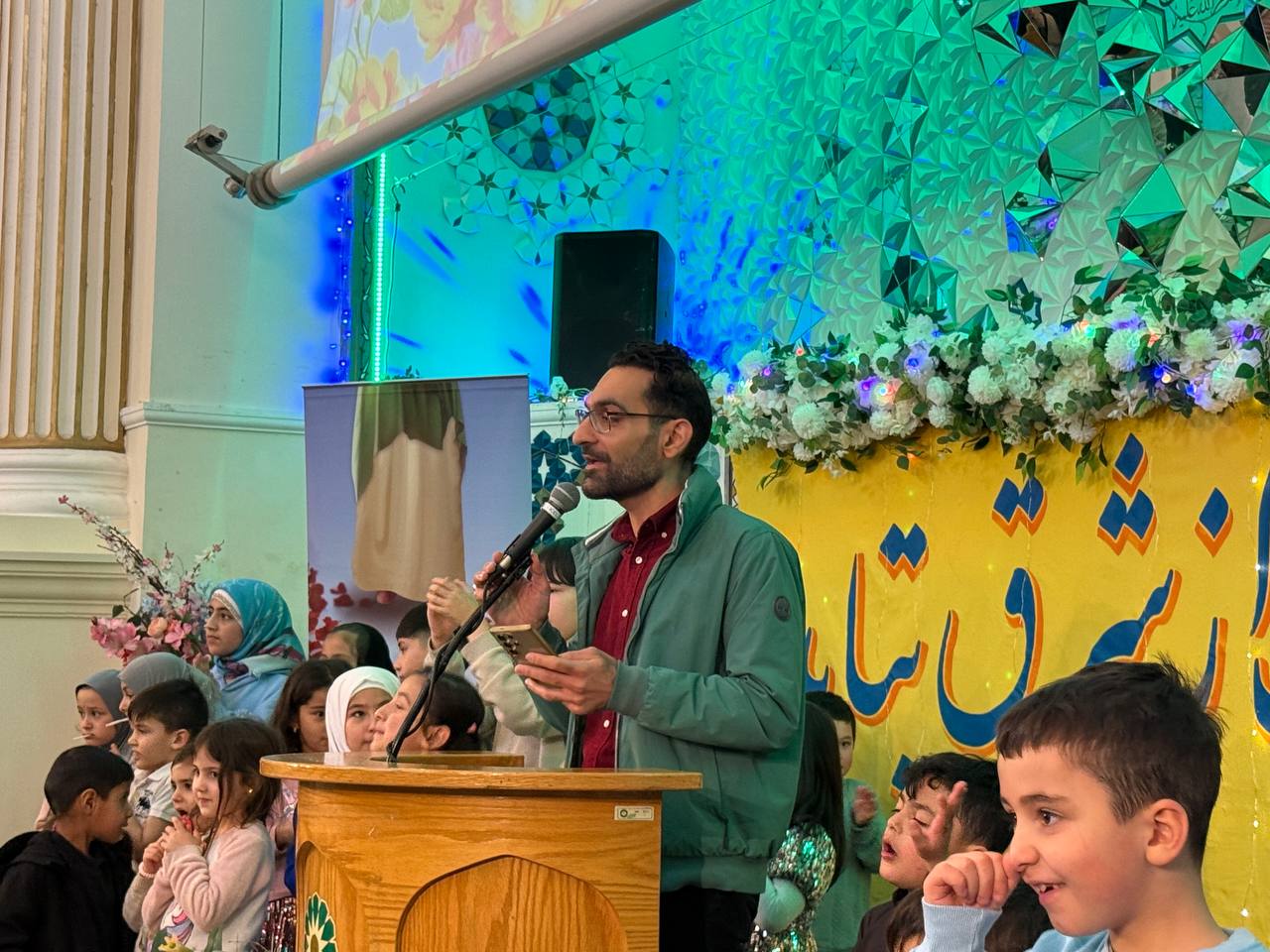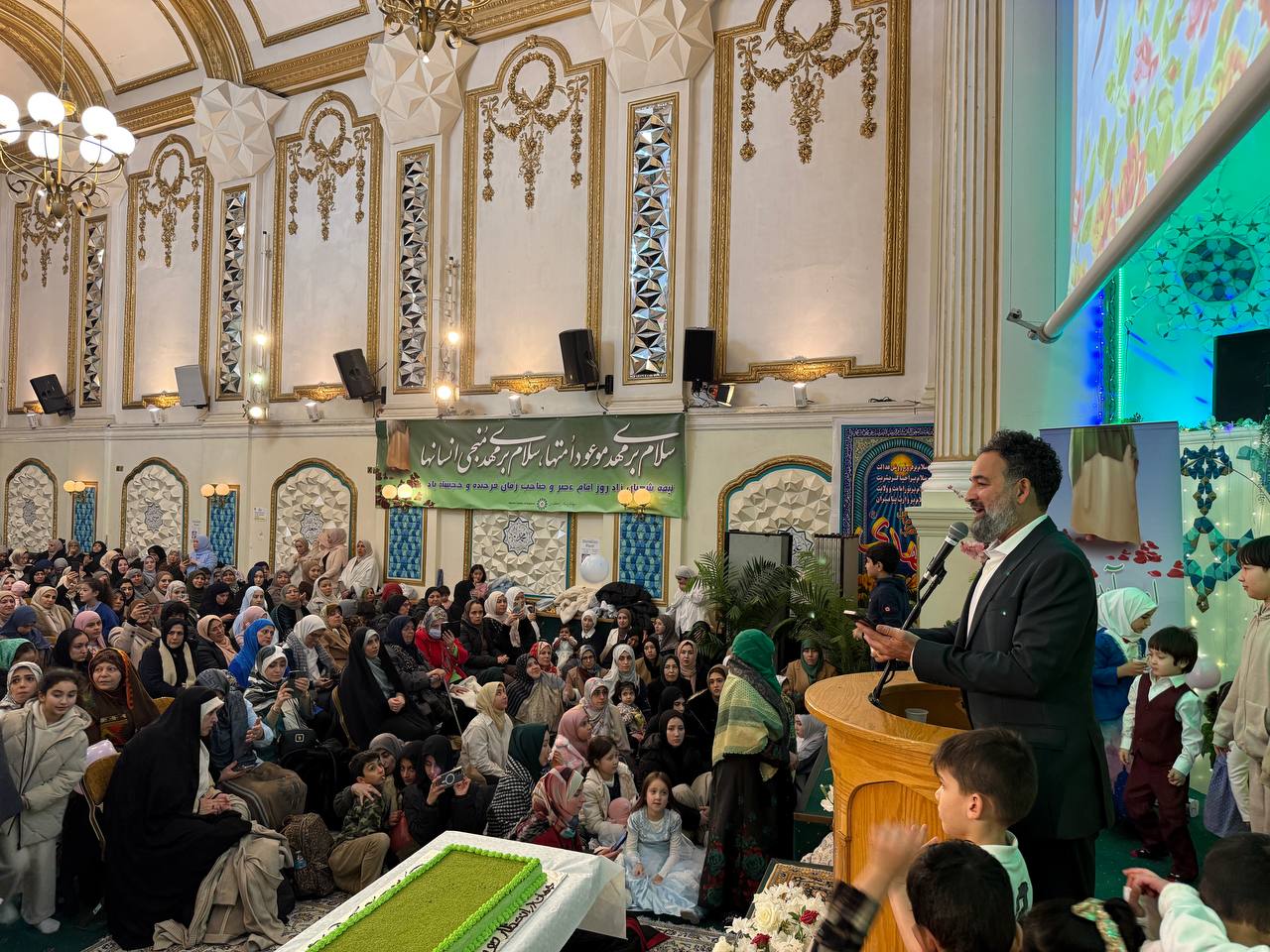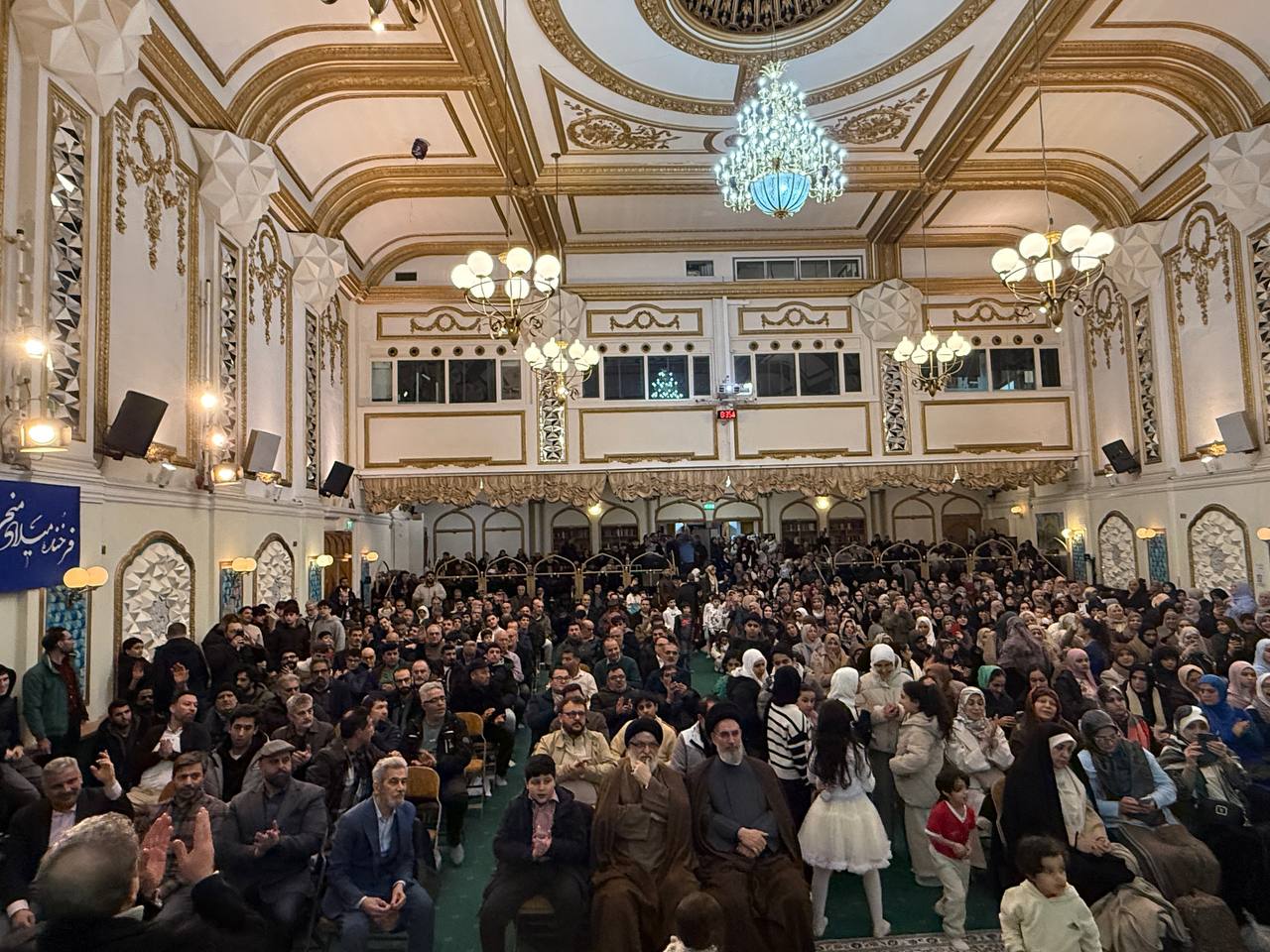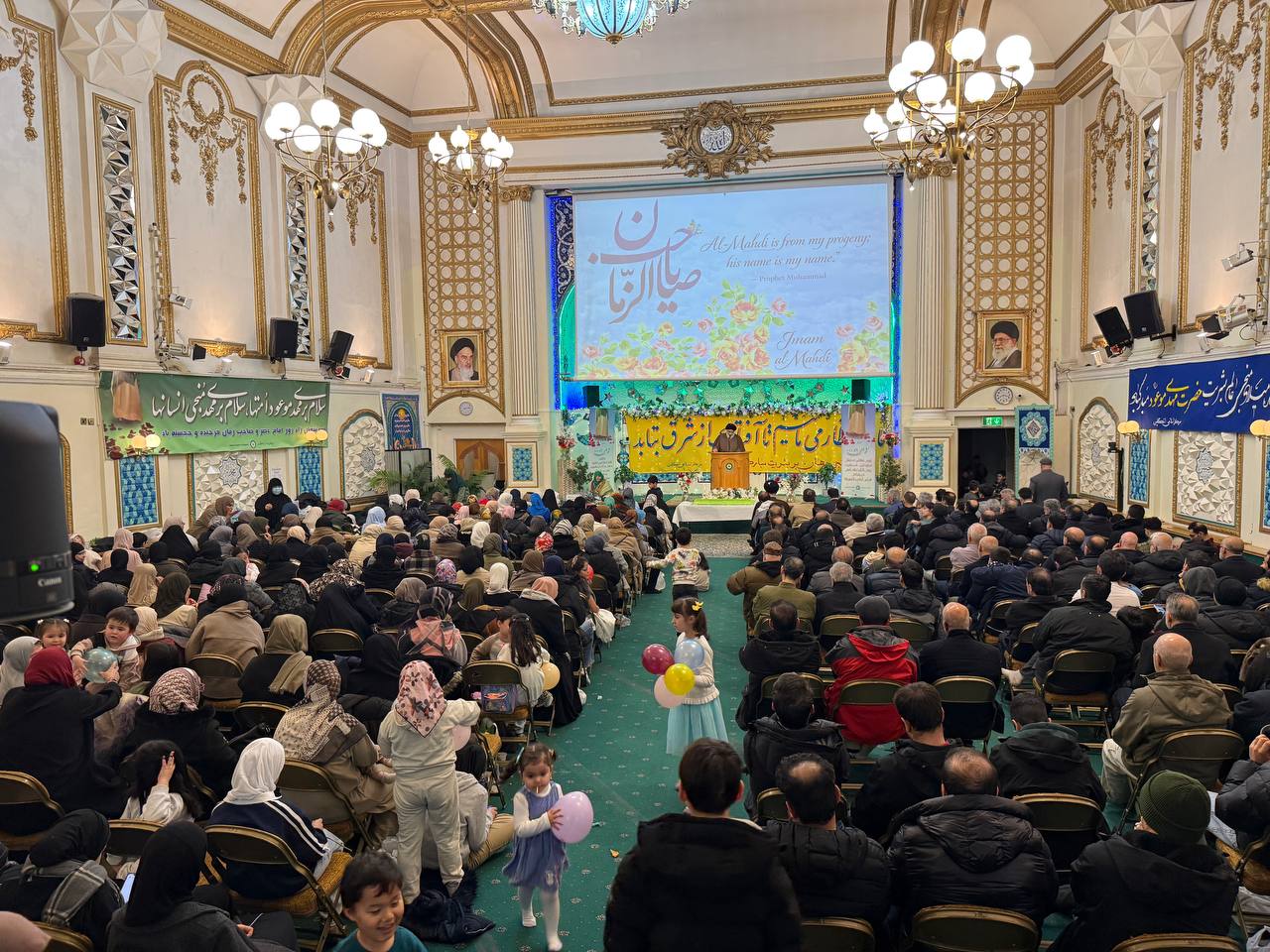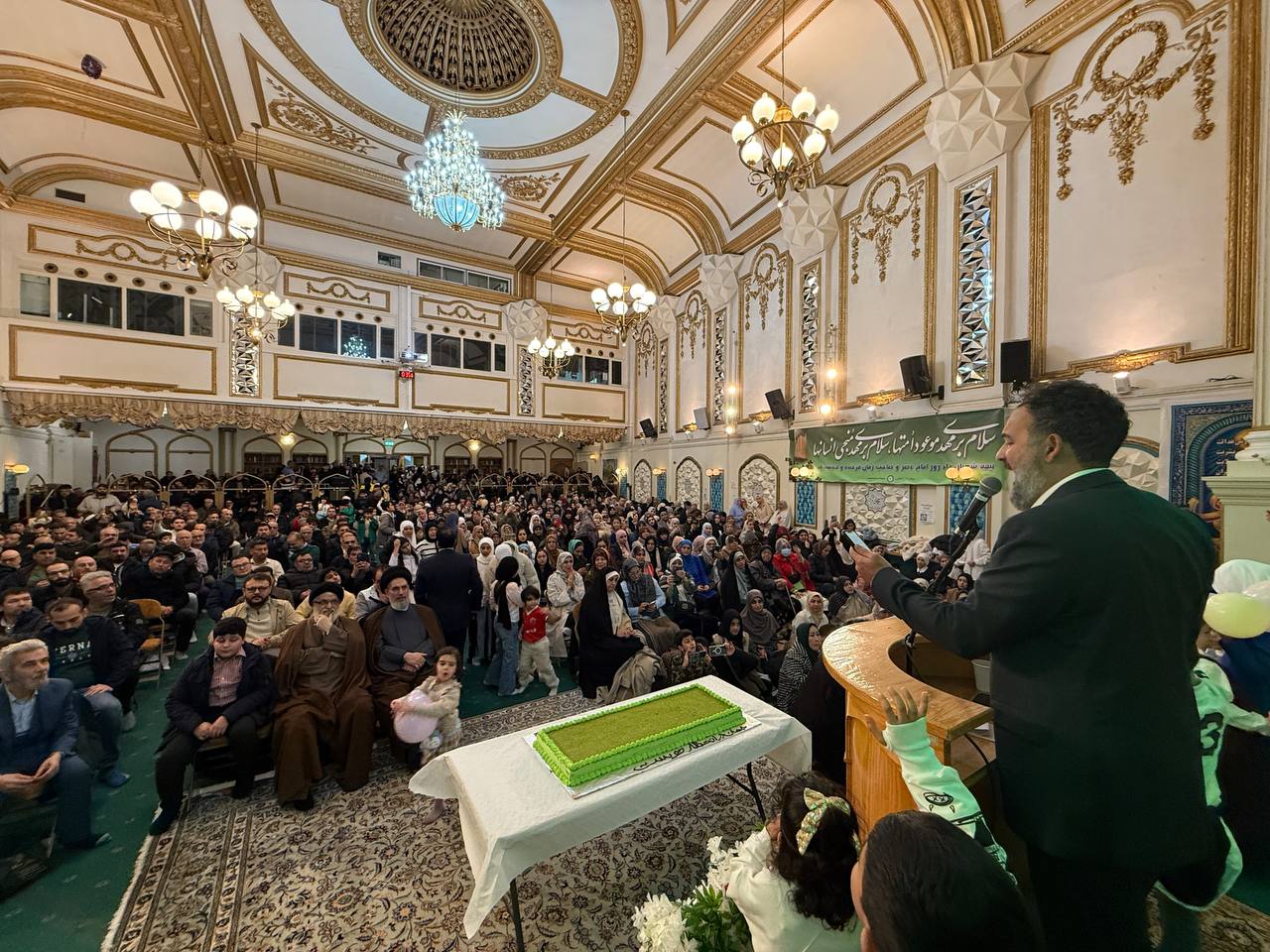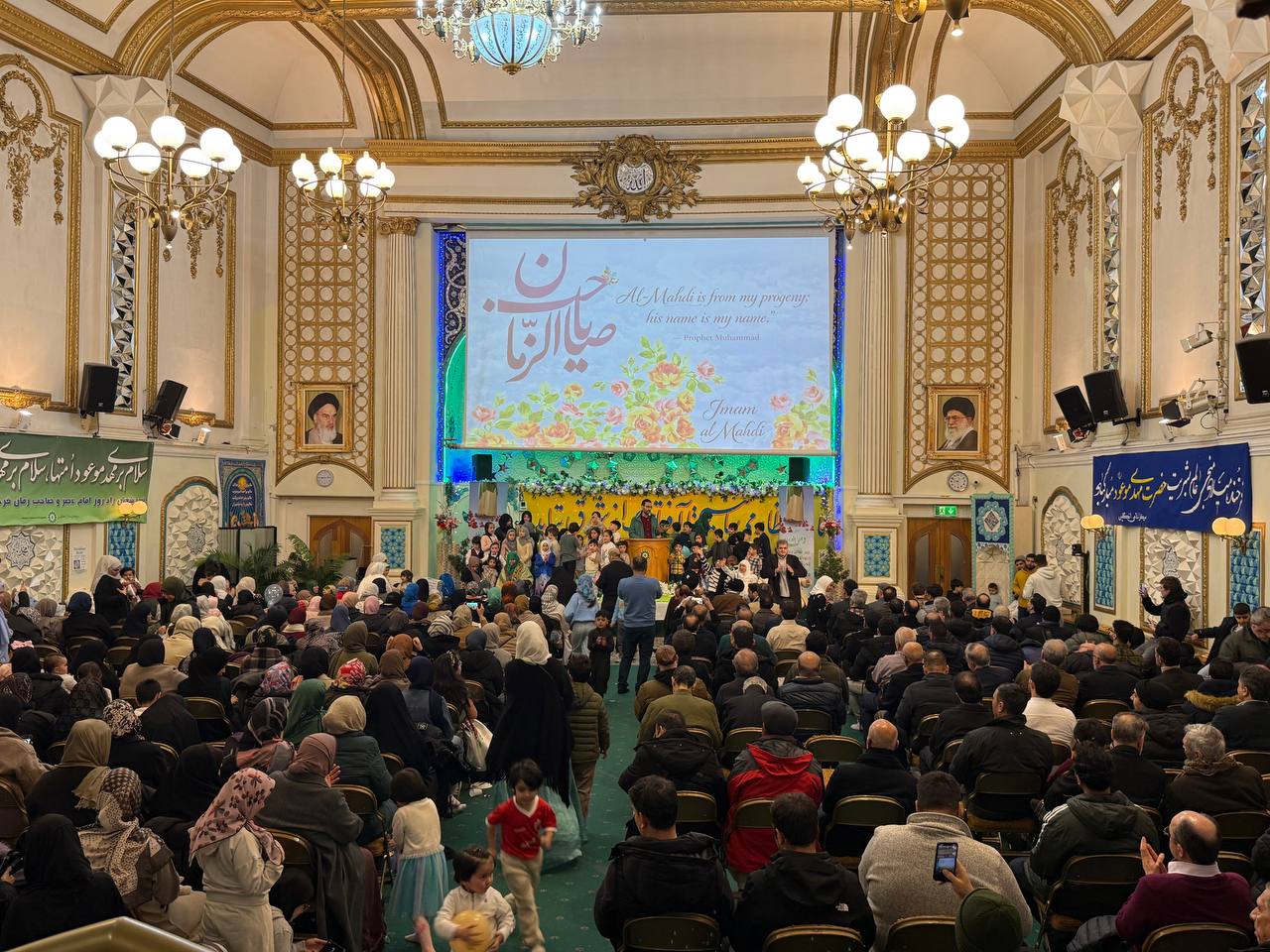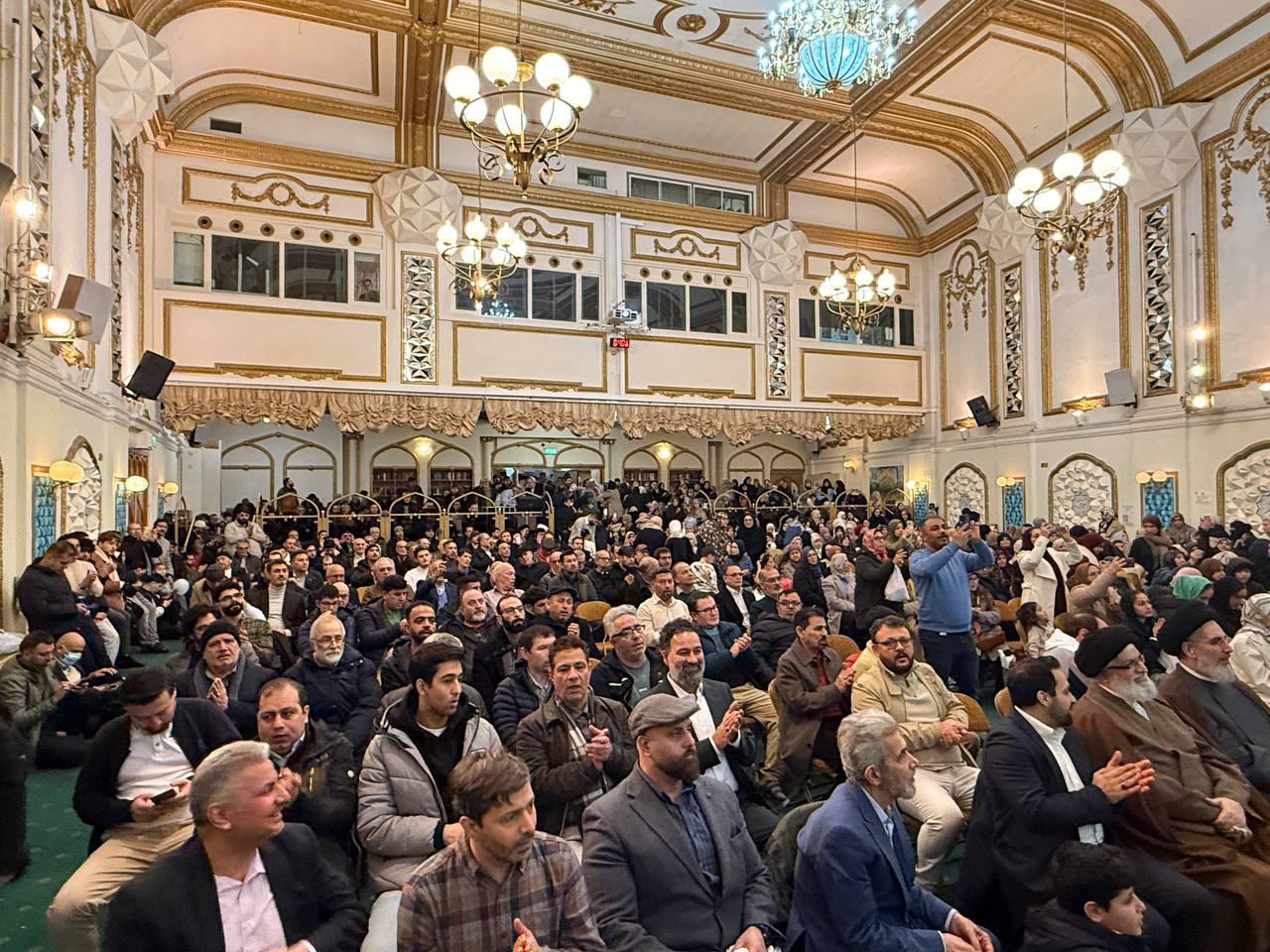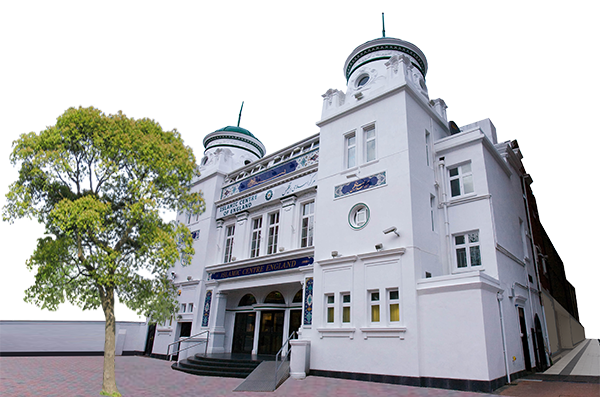




A vibrant and well-attended celebration marking the birth anniversary of the Saviour of Humanity, Imam al-Mahdi (may God hasten his reappearance), was held on the evening of Wednesday, 4 February 2026 at the Islamic Centre of England. The event welcomed a large and diverse gathering of attendees from many national and cultural backgrounds across London.
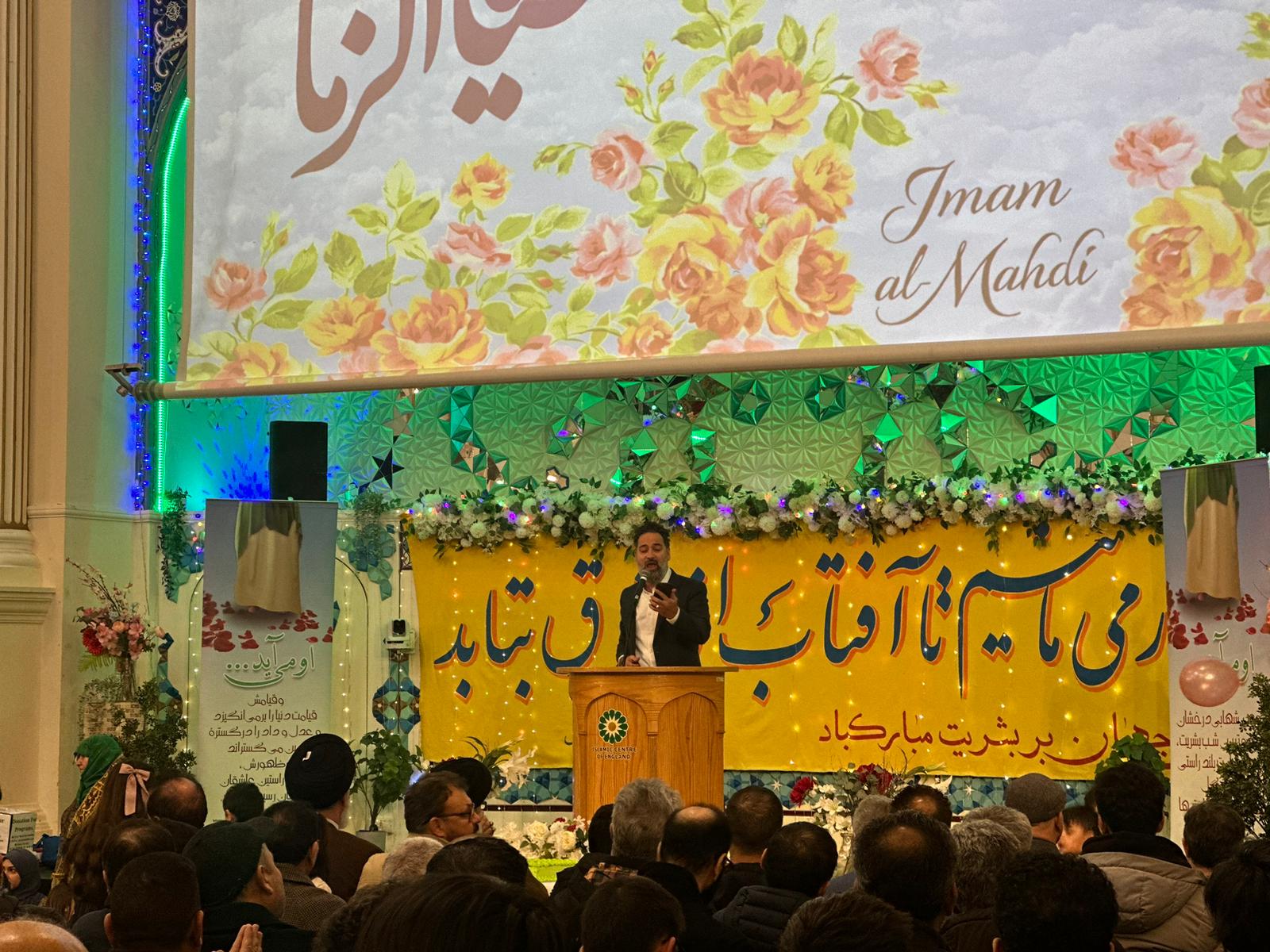
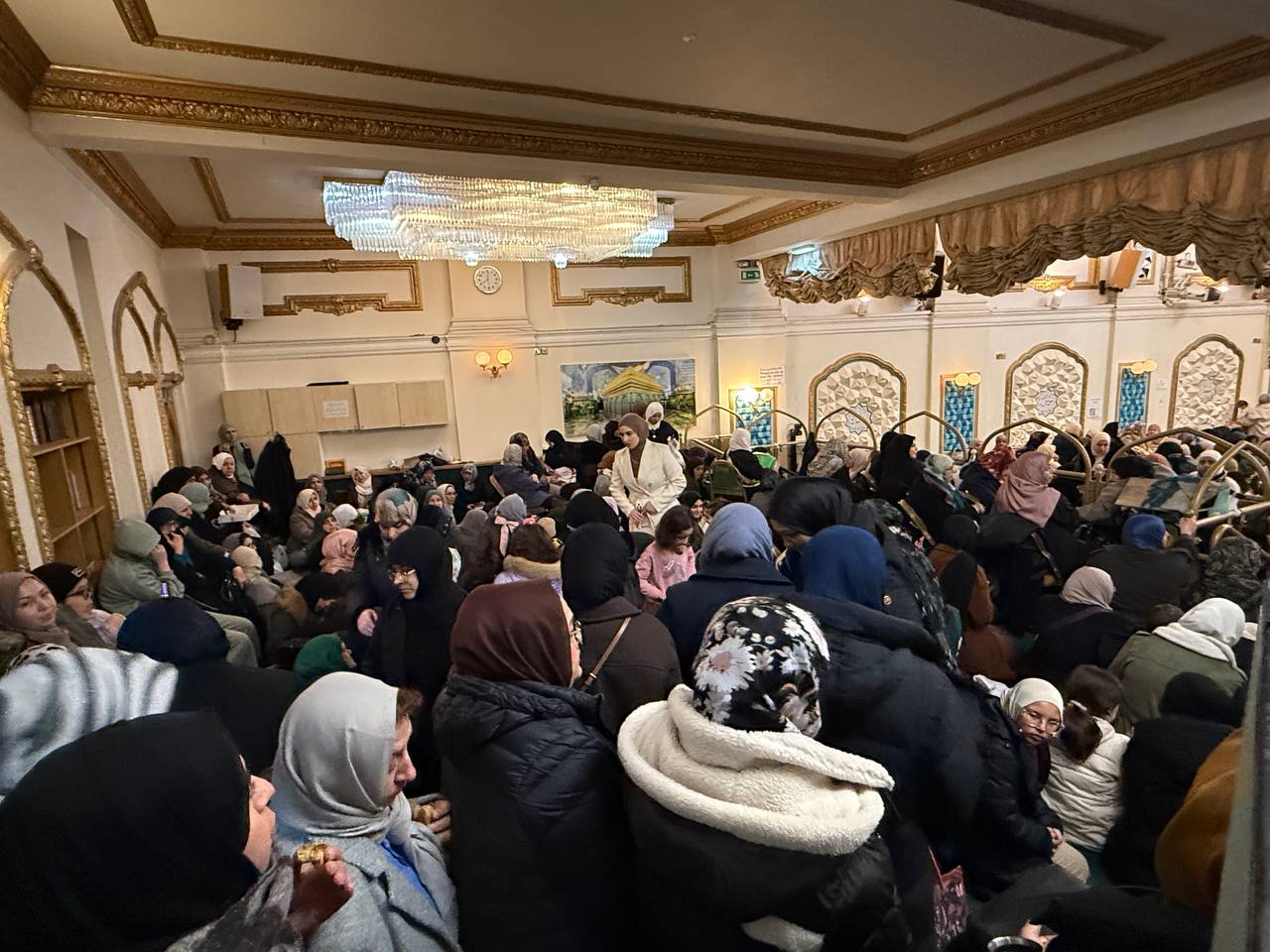
The programme was delivered in three languages—English, Arabic, and Persian—and the main hall reached full capacity within minutes of the start. Due to the exceptional turnout, some guests arriving later found limited seating availability. The enthusiastic presence of young people and families was particularly noticeable, contributing to a warm and uplifting atmosphere. Reciters of devotional poetry in praise of the Ahl al-Bayt performed in both Arabic and Persian, and collective prayers were offered for the reappearance of Imam al-Mahdi, filling the evening with joy and spiritual reflection.
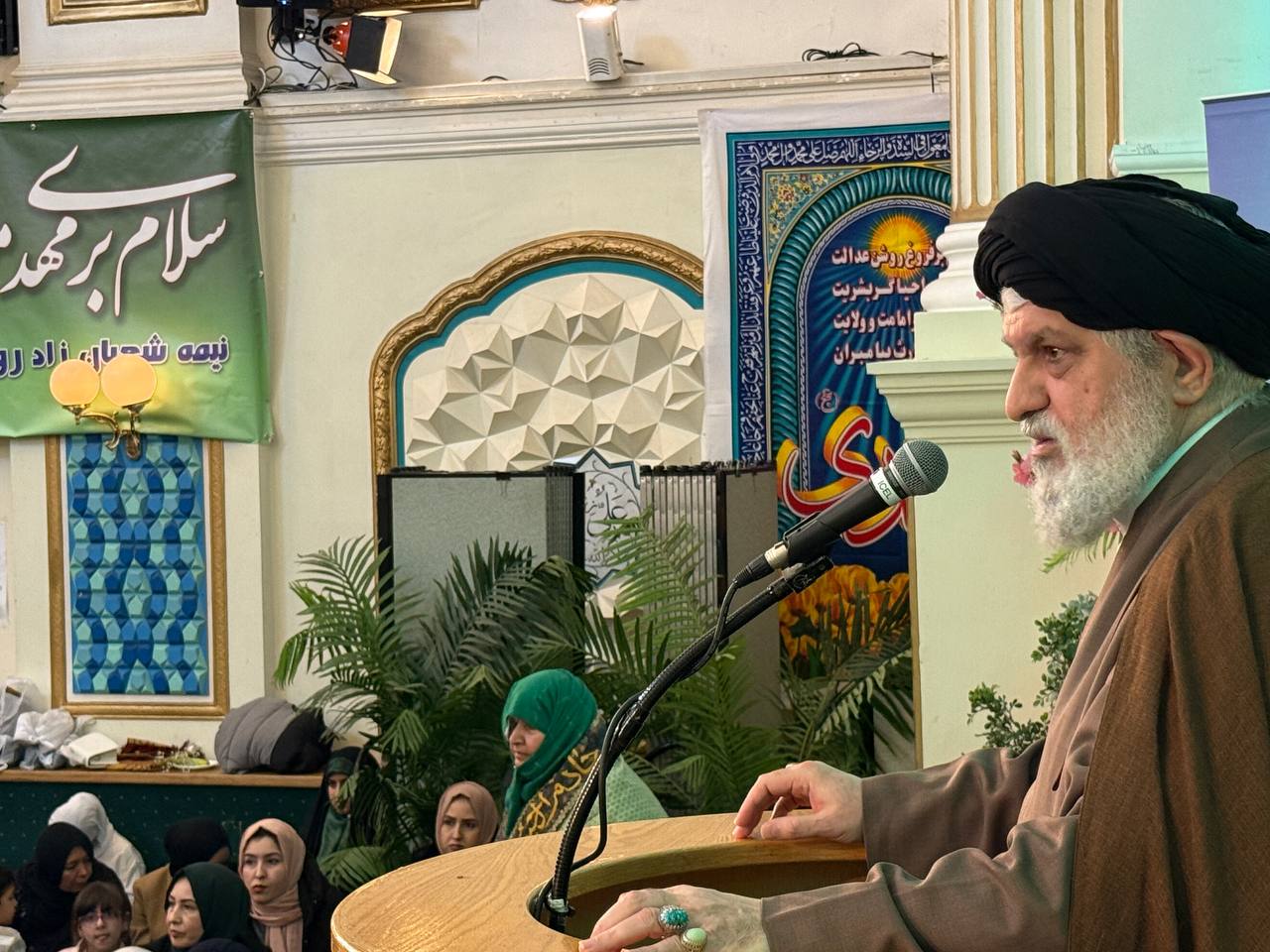
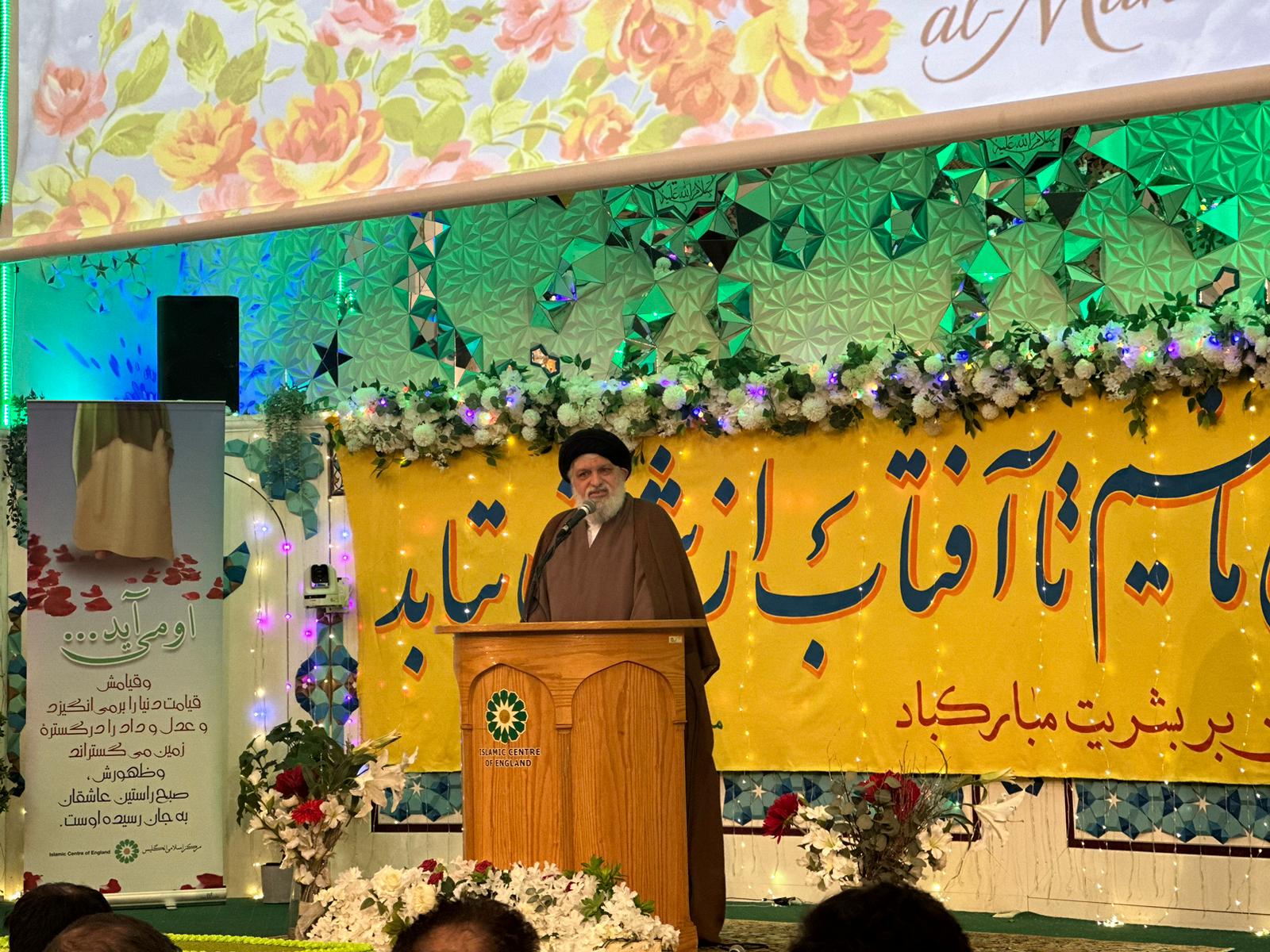
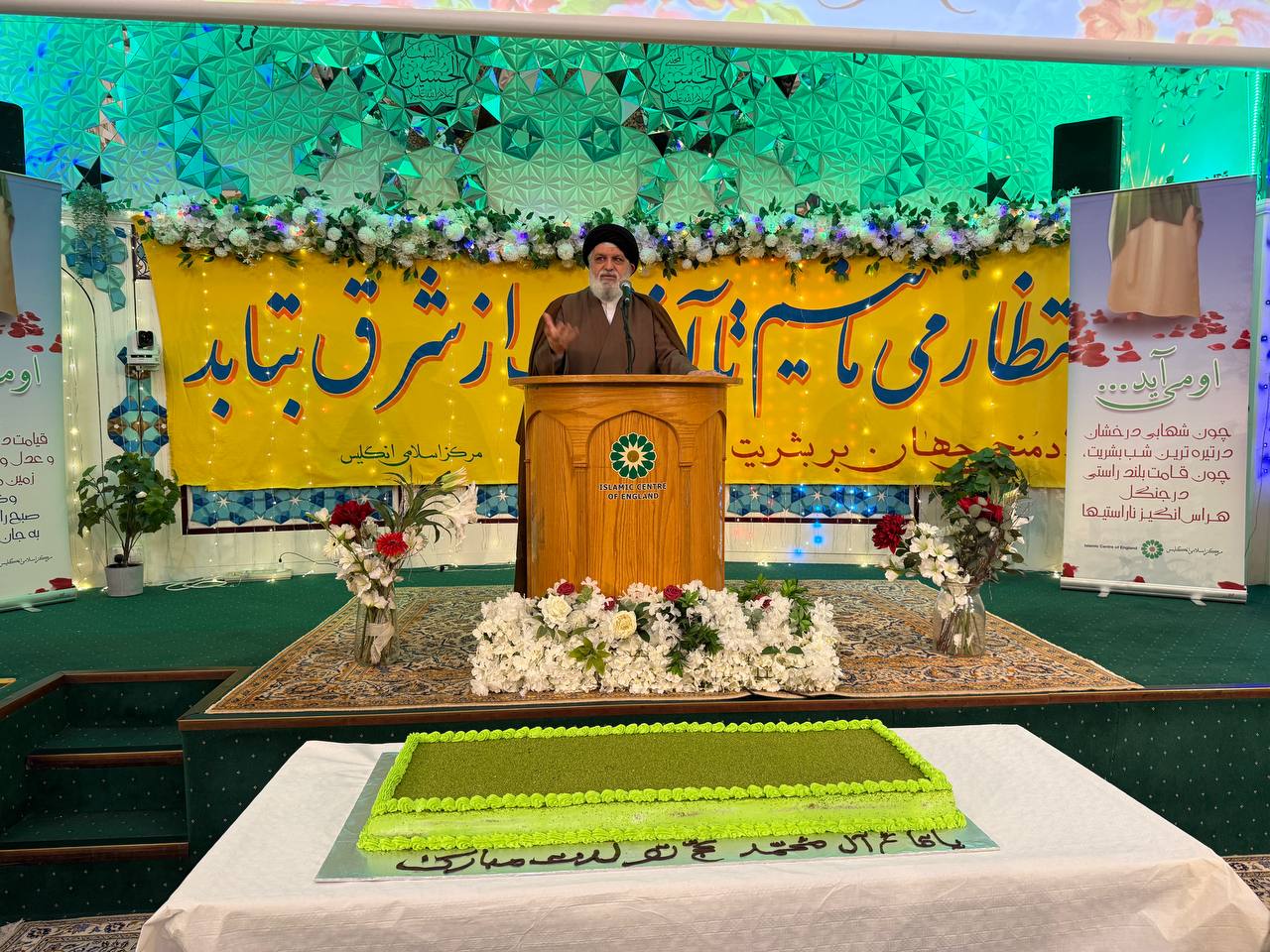
Hujjat al-Islam wal-Muslimin Sayyid Hashem Moosavi, Imam of the Islamic Centre of England, addressed the audience in English and Persian. Drawing upon teachings from the Ahl al-Bayt, he explained that the concept of awaiting is not simply an emotional hope, but a practical and purposeful way of living. Quoting the well-known Prophetic tradition, “The best deed of my community is the awaiting of relief,” he emphasised that true anticipation is inseparable from action and personal readiness in all aspects of life.
He outlined several qualities associated with sincere awaiters, including integrity, good character, patience in the face of challenges, social responsibility, and a constant awareness of moral and spiritual duty. He noted that commemorating the birth of Imam al-Mahdi is not merely remembering a historical figure, but renewing a living sense of hope and direction—an affirmation that the future of humanity is guided by divine promise rather than uncertainty or chance.
The Imam further highlighted that the manner in which one awaits is more important than simply believing in the future reappearance itself. Throughout history, he explained, awaiting has sometimes been misunderstood as passivity, whereas in Islamic thought it represents an active and responsible outlook that encourages self-improvement, justice, and constructive engagement with society. True awaiting, he stated, is forward-looking and purposeful, inspiring individuals to strive for positive change rather than accept injustice or stagnation.
Referring to verse 105 of Surah al-Anbiya in the Qur’an, he described it as a key scriptural foundation for the concept of hope and responsibility. The verse, which speaks of the righteous inheriting the earth, was presented not merely as a spiritual metaphor, but as a principle emphasising competence, ethical leadership, and readiness to contribute meaningfully to the wellbeing of society.
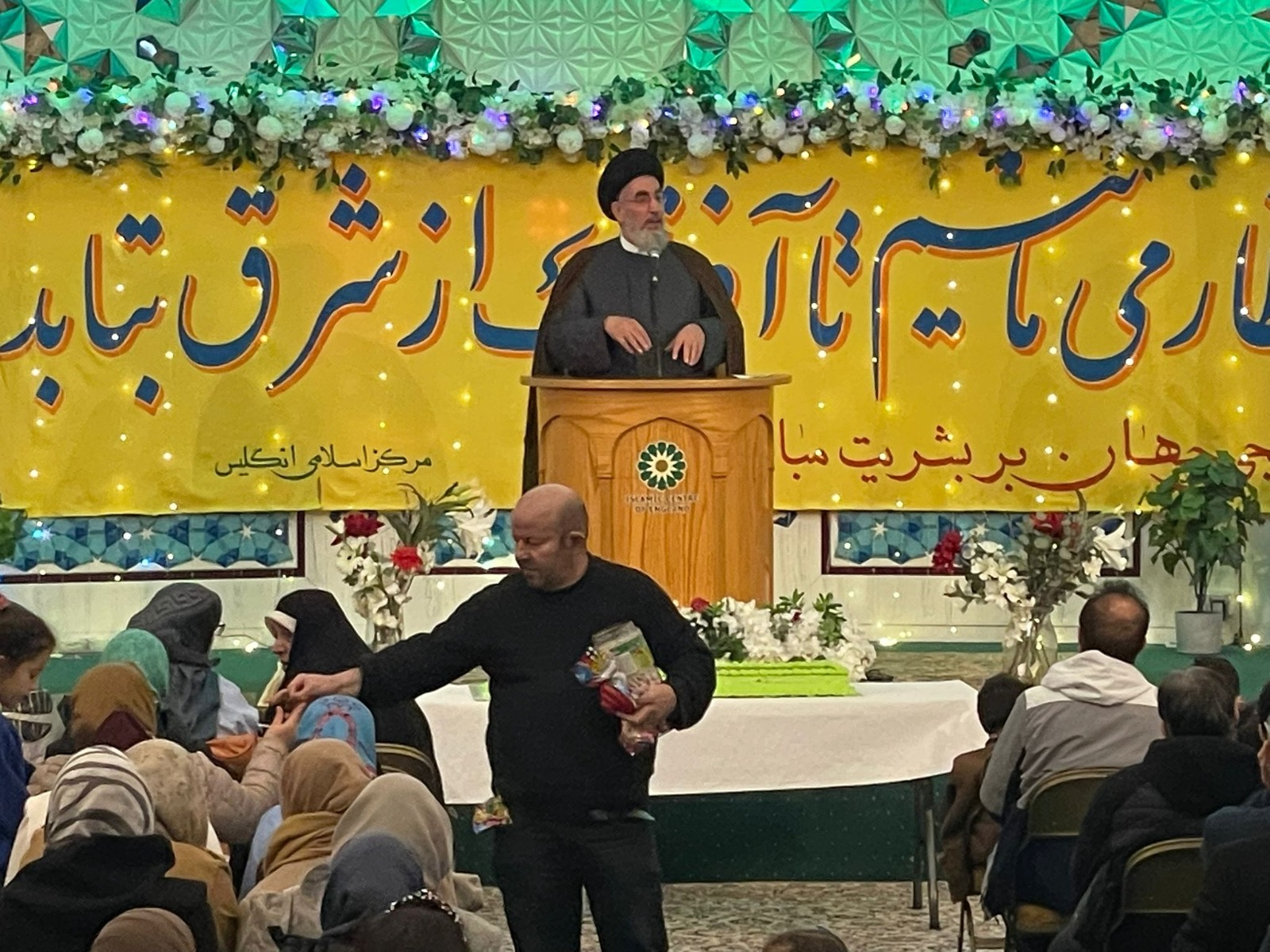
The evening also featured an address in Arabic by Hujjat al-Islam wal-Muslimin Sayyid Qasim Jalali, who explored the theological and symbolic connections between Imam al-Mahdi and Prophet Jesus (peace be upon him). He explained that Islamic tradition highlights parallels in their early lives, periods of absence, and eventual return, presenting these similarities as sources of reflection and spiritual insight. He noted that both figures represent hope, renewal, and the promise of justice in the end times.
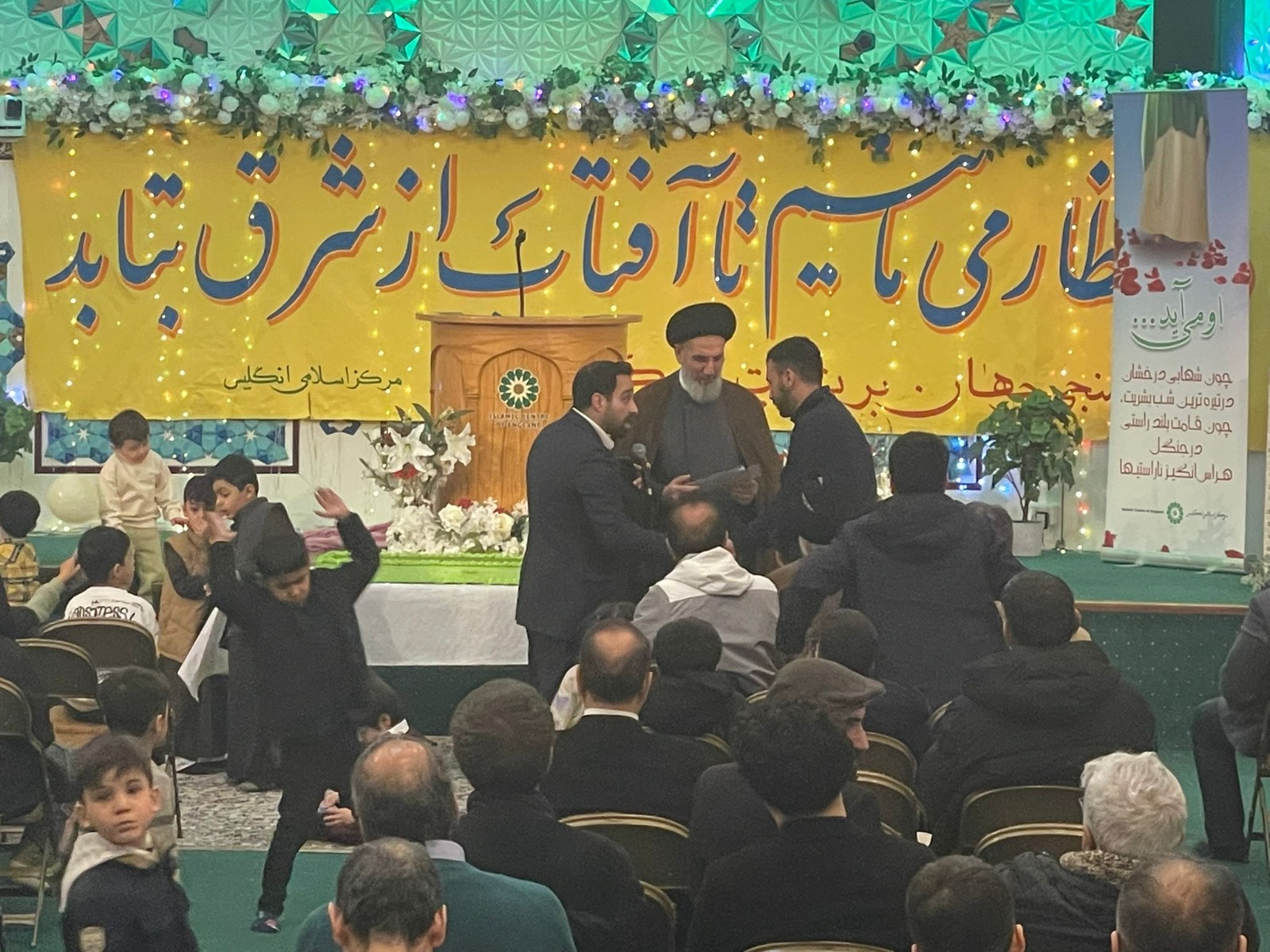
One of the most engaging highlights of the programme—especially popular among young attendees—was an interactive Kahoot quiz competition. Three teenagers were awarded first, second, and third place prizes, adding a lively and educational dimension to the celebration.
The event concluded in an atmosphere of warmth and community spirit, reflecting the Islamic Centre of England’s ongoing commitment to inclusive cultural and educational initiatives that bring families and communities together.